Visit Upper Mustang Before Everyone Else Does: A Practical Travel Guide
Most travelers come to Nepal for Everest Base Camp, the Annapurna Circuit, or Pokhara. Upper Mustang is the alternative for people who’ve already done the classics, or who want something quieter, drier, and more Tibetan than Nepali. This is Nepal’s “Last Forbidden Kingdom,” a place so remote it feels like another planet. Until 1994, foreigners weren’t allowed inside. Today, improved roads and new lodges are slowly opening its gates to tourist. So go now, while it still feels undeveloped.
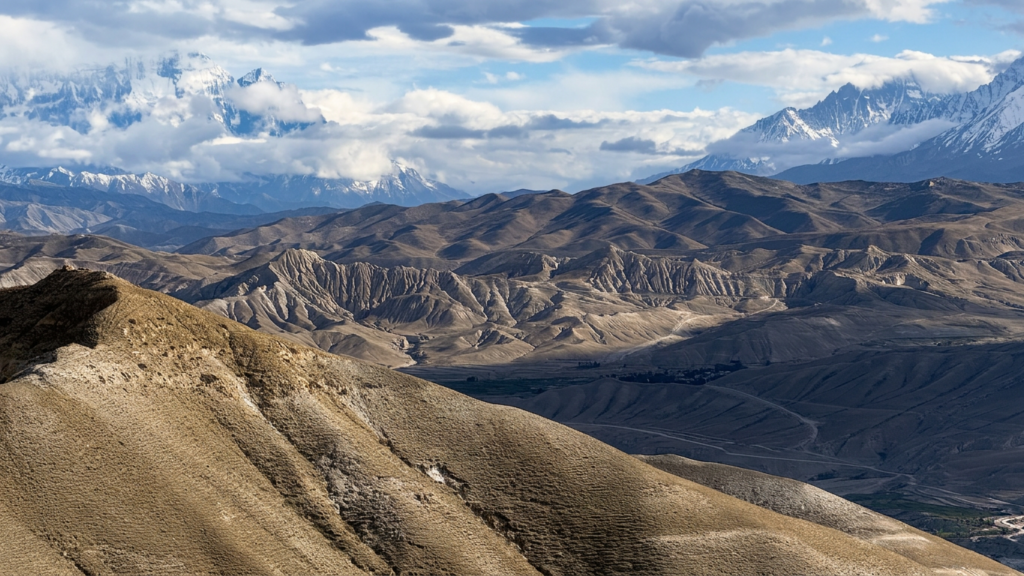
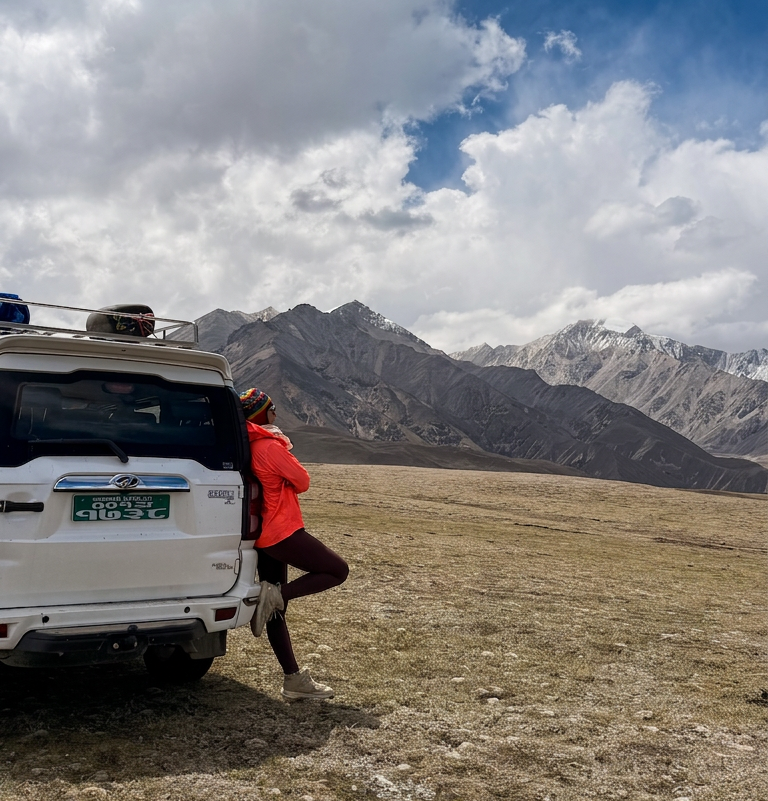
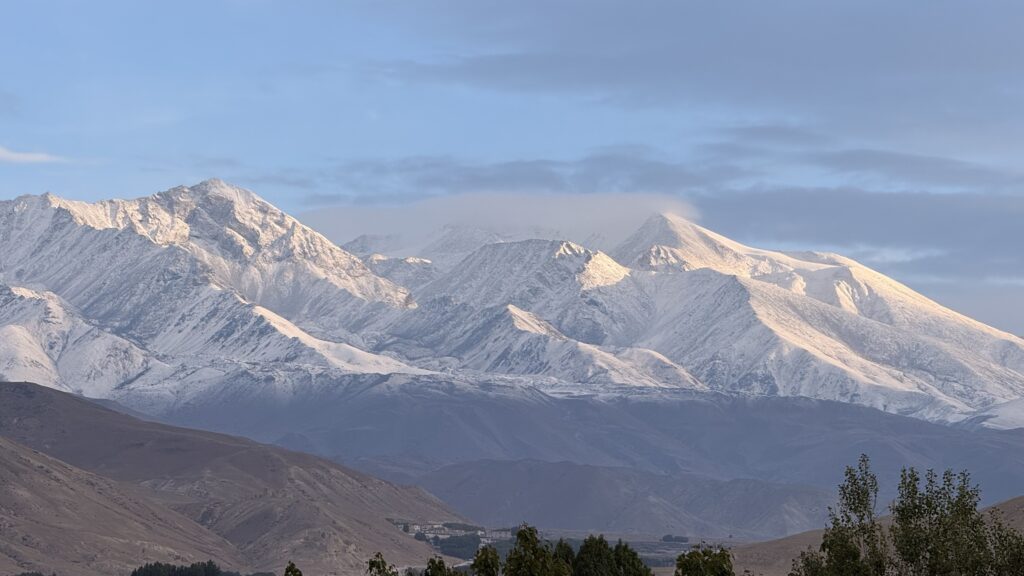
North of the apple-orchard village of Marpha, the green hills disappear. The landscape turns into a rust-and-amber desert of red cliffs, cave-pocked walls, mud-brick villages, and prayer flags snapping in a constant wind. Snow peaks stay on the horizon, but you’re walking through what feels like a martian movie.
Until 2008, the Kingdom of Lo — with its walled capital, Lo Manthang — was a semi-autonomous Tibetan Buddhist kingdom inside Nepal. Foreigners were first allowed in 1992, and the region is still restricted: you need a special permit and a licensed guide to enter. That limited access is exactly what has preserved a culture that looks and feels more Tibetan than the Tibet most tourists can still reach.
What to Actually Expect
If you’ve only trekked the Annapurna or Everest regions, reset your expectations:
- It’s a desert, not a forest. Mustang sits in the rain shadow of Annapurna and Dhaulagiri, so it gets a fraction of Nepal’s rainfall. Wide-open plains, pale riverbeds, wind-carved cliffs — not rhododendron forests.
- The drives are long and rough. The road up the Kali Gandaki Valley is dusty, bumpy, and slow. It’s part scenery, part endurance. Bring a buff or scarf for dust.
- It’s higher than you think. Lo Manthang sits at about 3,840 m (12,600 ft). Even on a jeep tour, altitude is real. Hydrate, move slowly, and skip alcohol the first days at elevation.
- It’s more comfortable than Manaslu. Surprisingly, most lodges in Mustang now have attached bathrooms, electricity, Wi-Fi, and hot showers — better than the teahouses on remoter circuits. But Wi-Fi is slow, power cuts happen, and weather can derail plans.
- It’s not cheap. The restricted-area permit alone is $50 per person per day. A guided 10-day trip runs roughly $1,800–$2,600 per person. More on costs below.
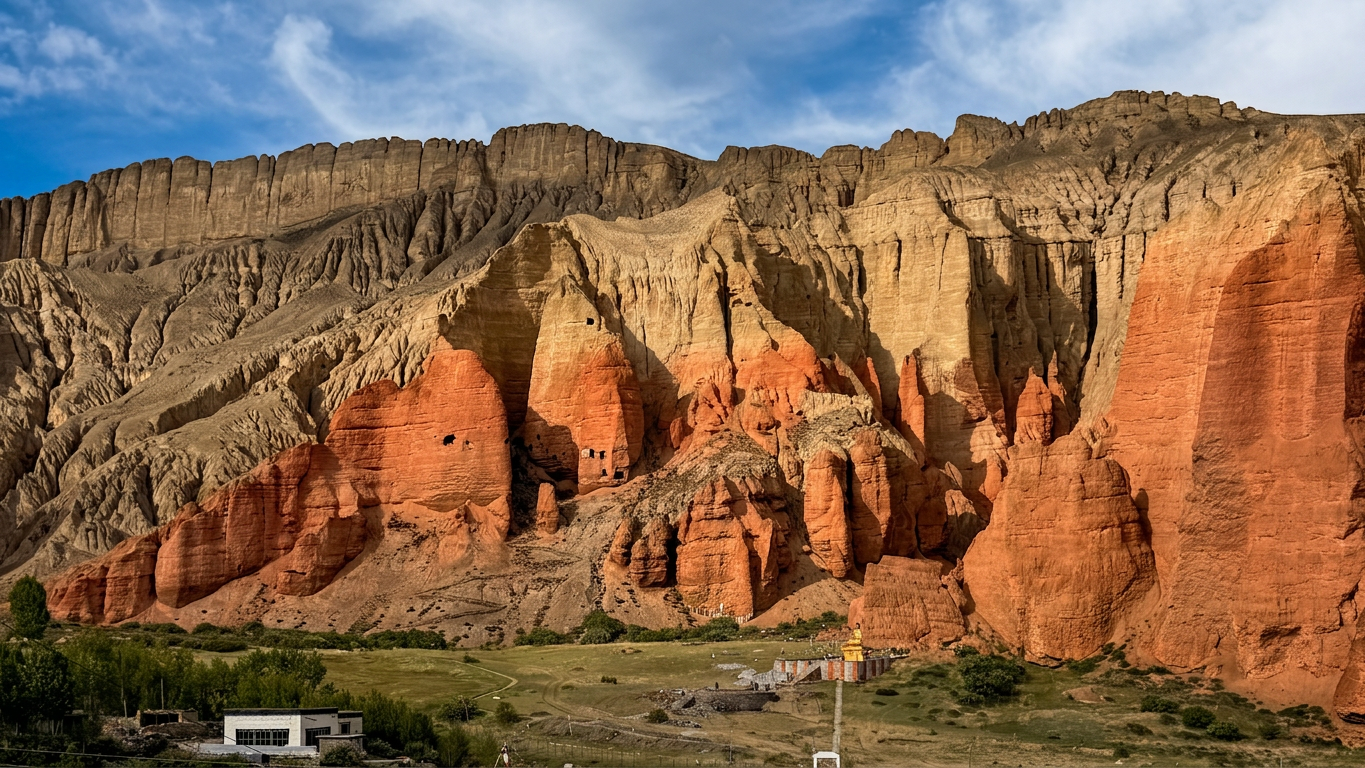
The payoff: a remote, culturally intact region that very few people ever see, accessible without committing to a multi-week trek.
How to Get There
Most trips start in Pokhara and head north up the Kali Gandaki Valley through Lower Mustang. You’ll pass through Jomsom (the district hub with an airstrip) and Kagbeni – the gateway village where the restricted zone begins and your permit gets checked.
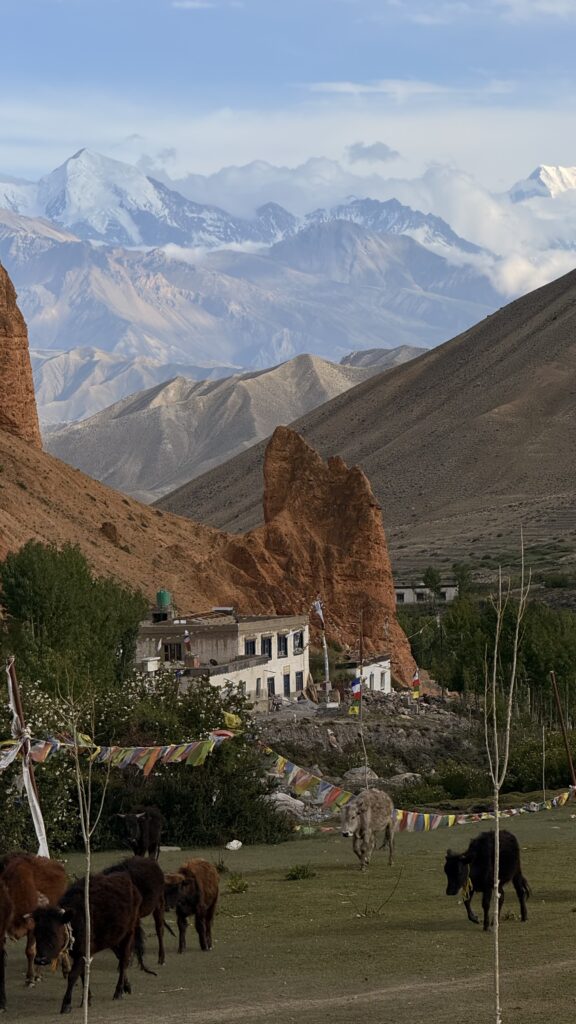
From Kagbeni north, the landscape dries out fast. Trees thin, villages turn earth-toned, and flat-roofed stone houses huddle beneath cliffs that look like castles, waves, and sculpted faces.
Two stops not to skip in Lower Mustang:
- Marpha – apple orchards, whitewashed stone lanes, and a calm, polished feel. Order the apple pie. It’s the simplest recommendation in this guide, but you’ll thank me later.
- Kagbeni – the transition point. Walk its alleys, watch the Kali Gandaki rush past, and feel the climate shift to desert in real time.
Lo Manthang: The Walled Heart of Mustang
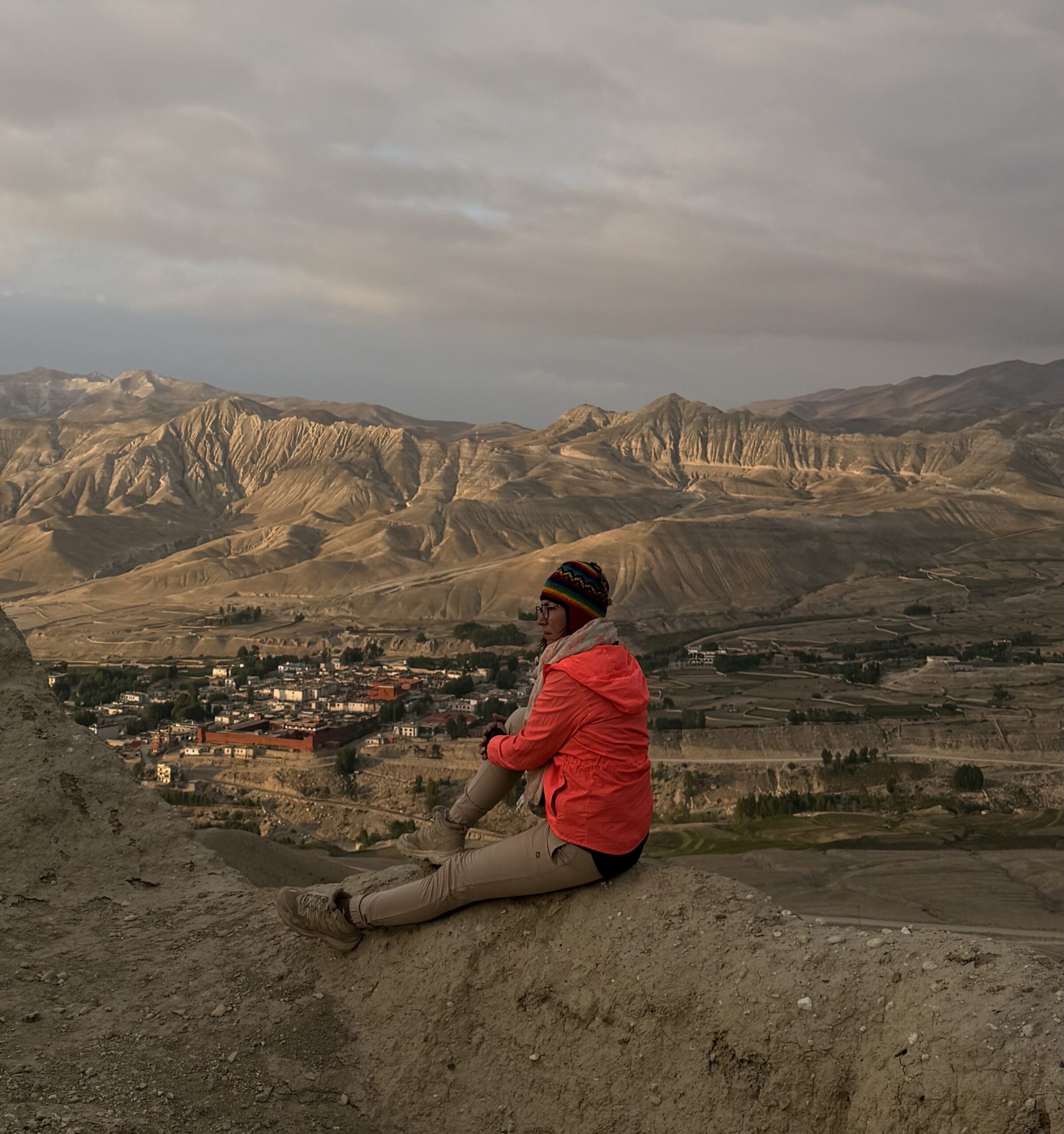
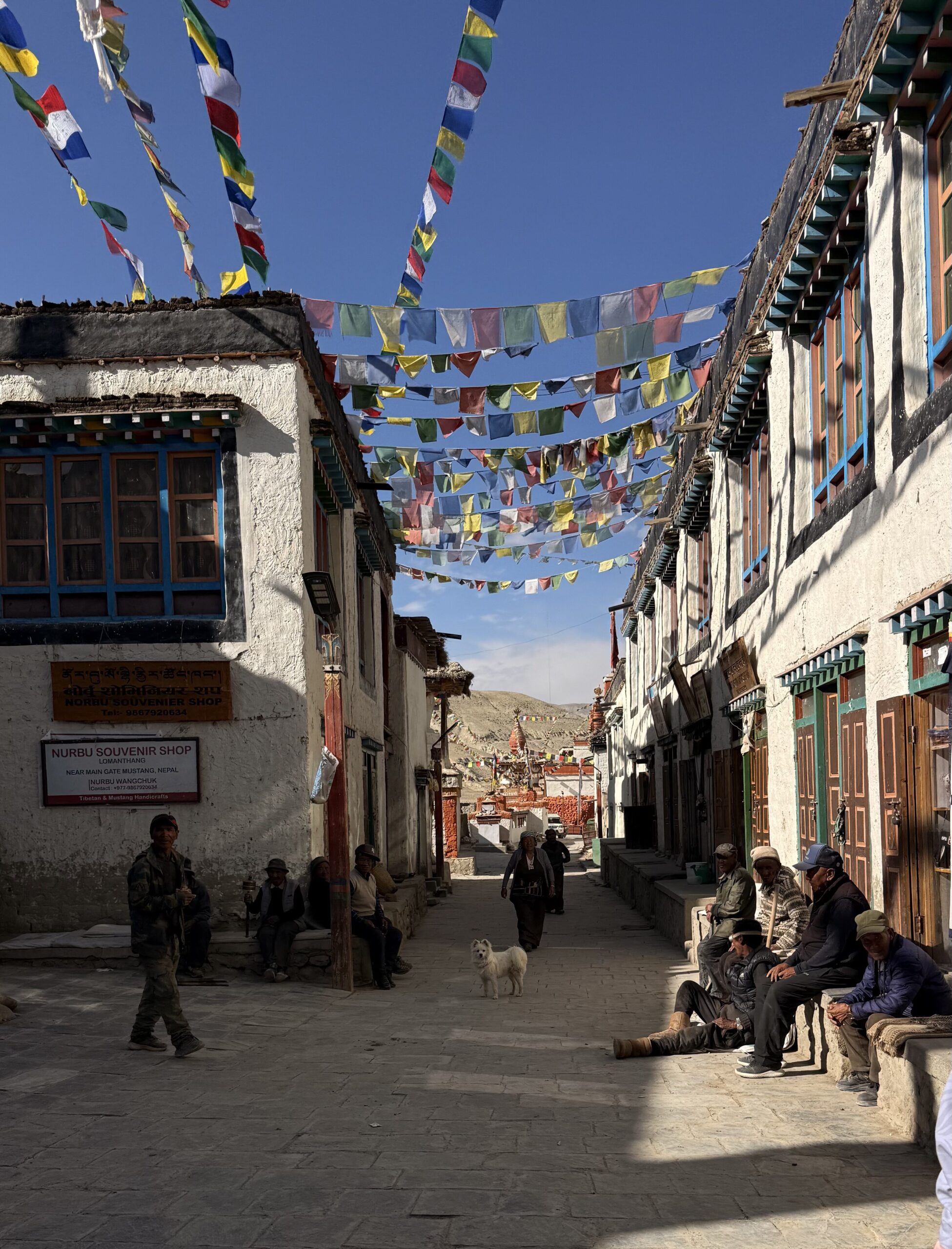
Lo Manthang is the cultural center of Upper Mustang and the former capital of the Kingdom of Lo. Earthen walls encircle a warren of narrow lanes, prayer wheels, courtyards, chortens, and monasteries.
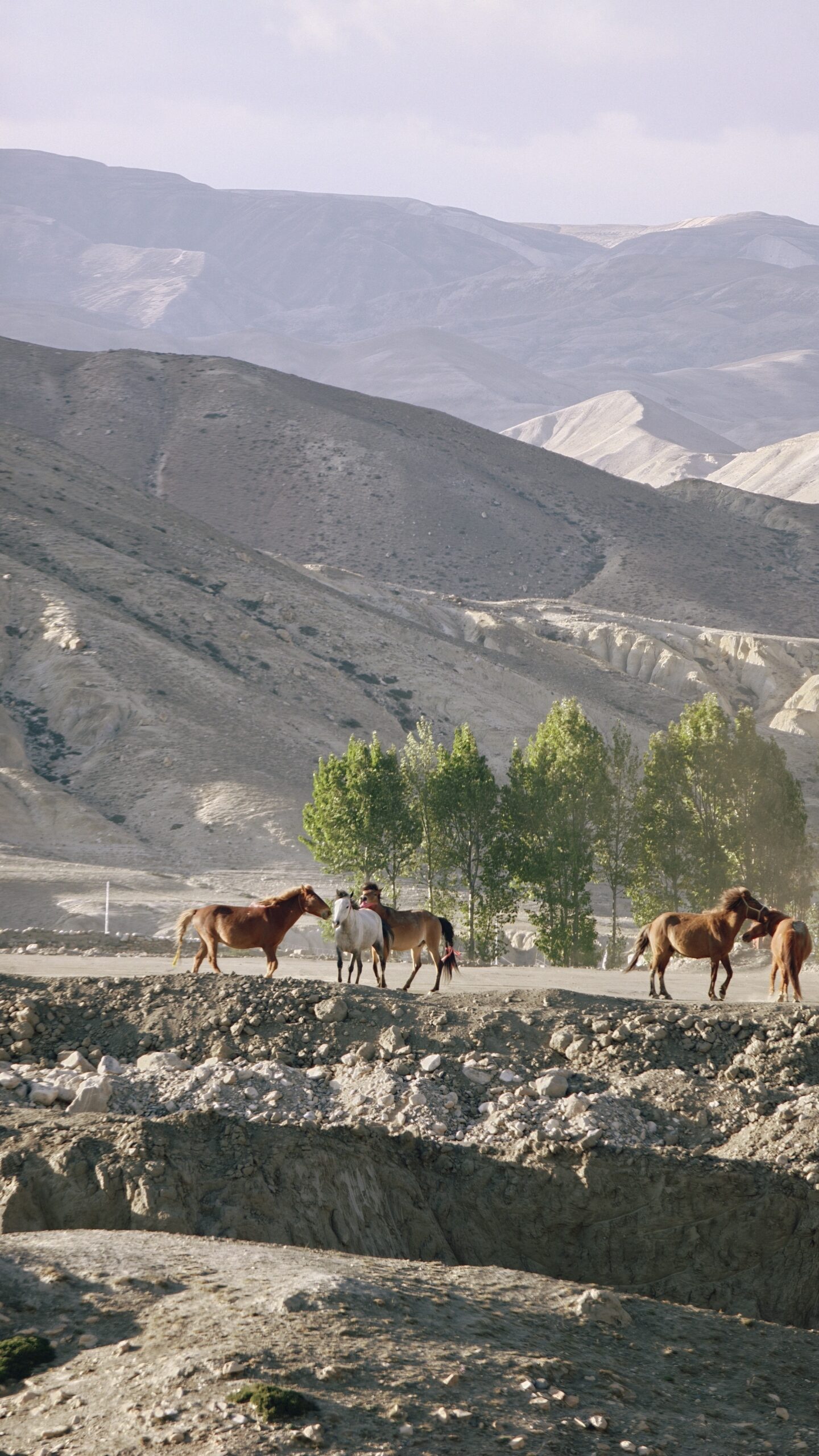
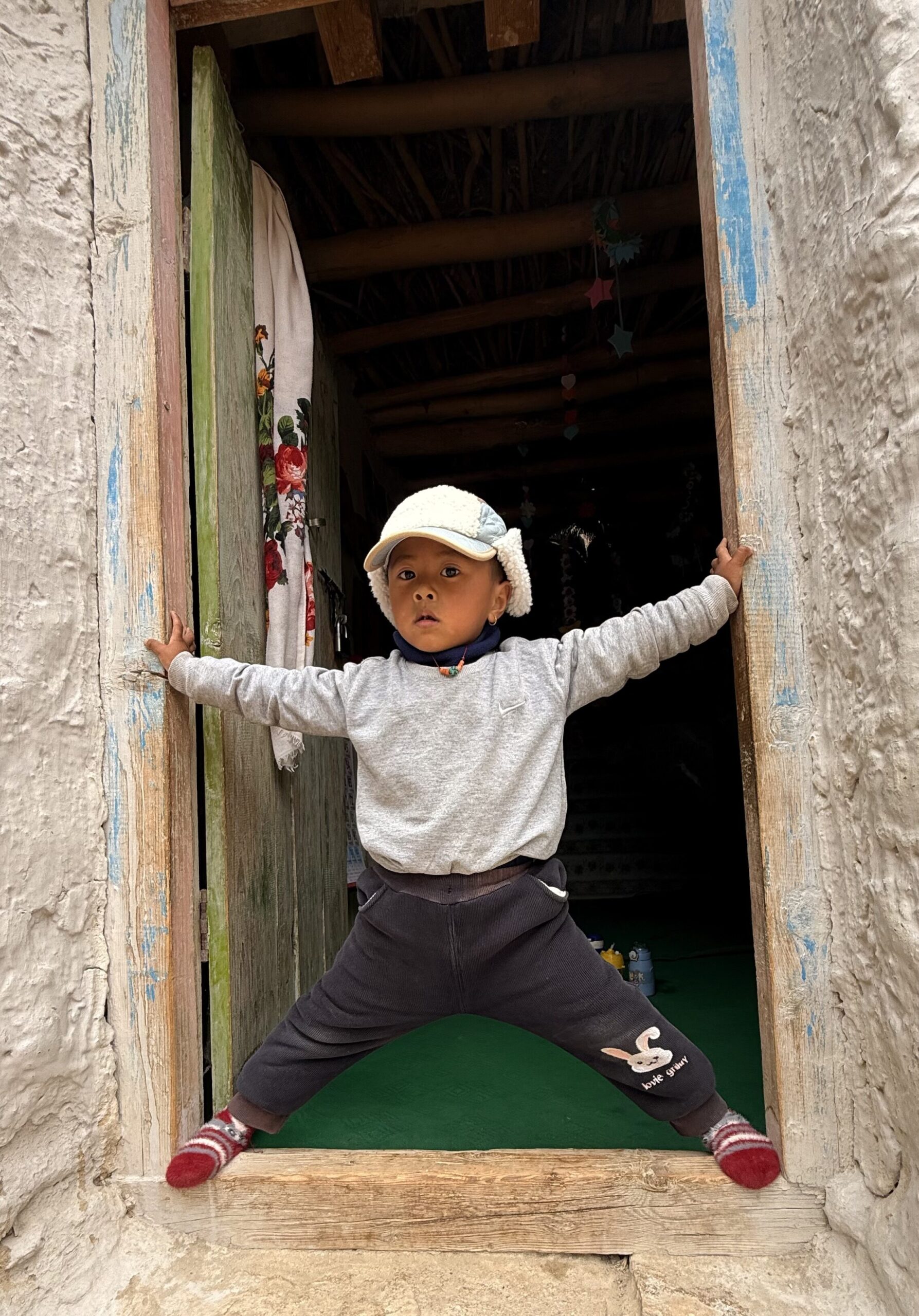
This isn’t a living museum staged for tourists. Children play in the streets, locals carry supplies in baskets strapped to their foreheads, and wooden doors open into homes where families still live by the rhythms of a high-altitude desert. Plan for at least two to three nights here. Lo Manthang reveals itself slowly – the quiet mornings, the changing light on mud-brick walls, the scent of wood smoke, the horses running across the open fields at the city’s edge.
Don’t rush it. This is the one place on the itinerary where slowing down changes everything.
The Monasteries Worth Your Time
These are living spaces of prayer and ritual, not photo backdrops. Enter quietly, give them time, and dress modestly.
- Jampa Lhakhang (God House) – one of the oldest temples in Lo Manthang. Painted walls, wooden details, butter lamps, and centuries of devotion in the air.
- Thubchen Monastery – the most impressive by scale. Painted pillars, murals, deep reds and golds where art and spirituality were never separated.
- Namgyal Monastery – just outside town, with sweeping valley views that show why Mustang’s monasteries feel inseparable from the landscape.
The Sky Caves of Chhoser
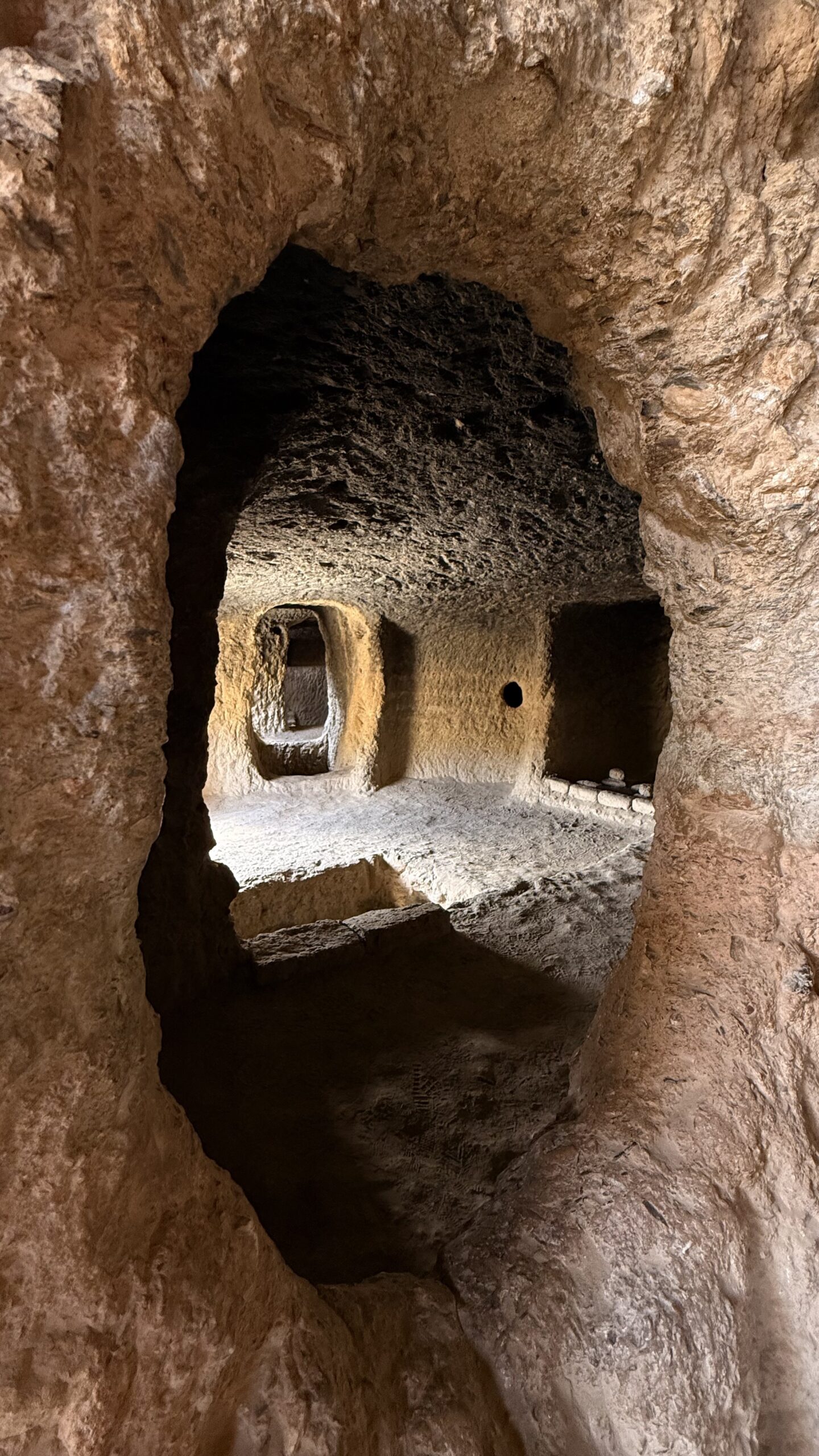
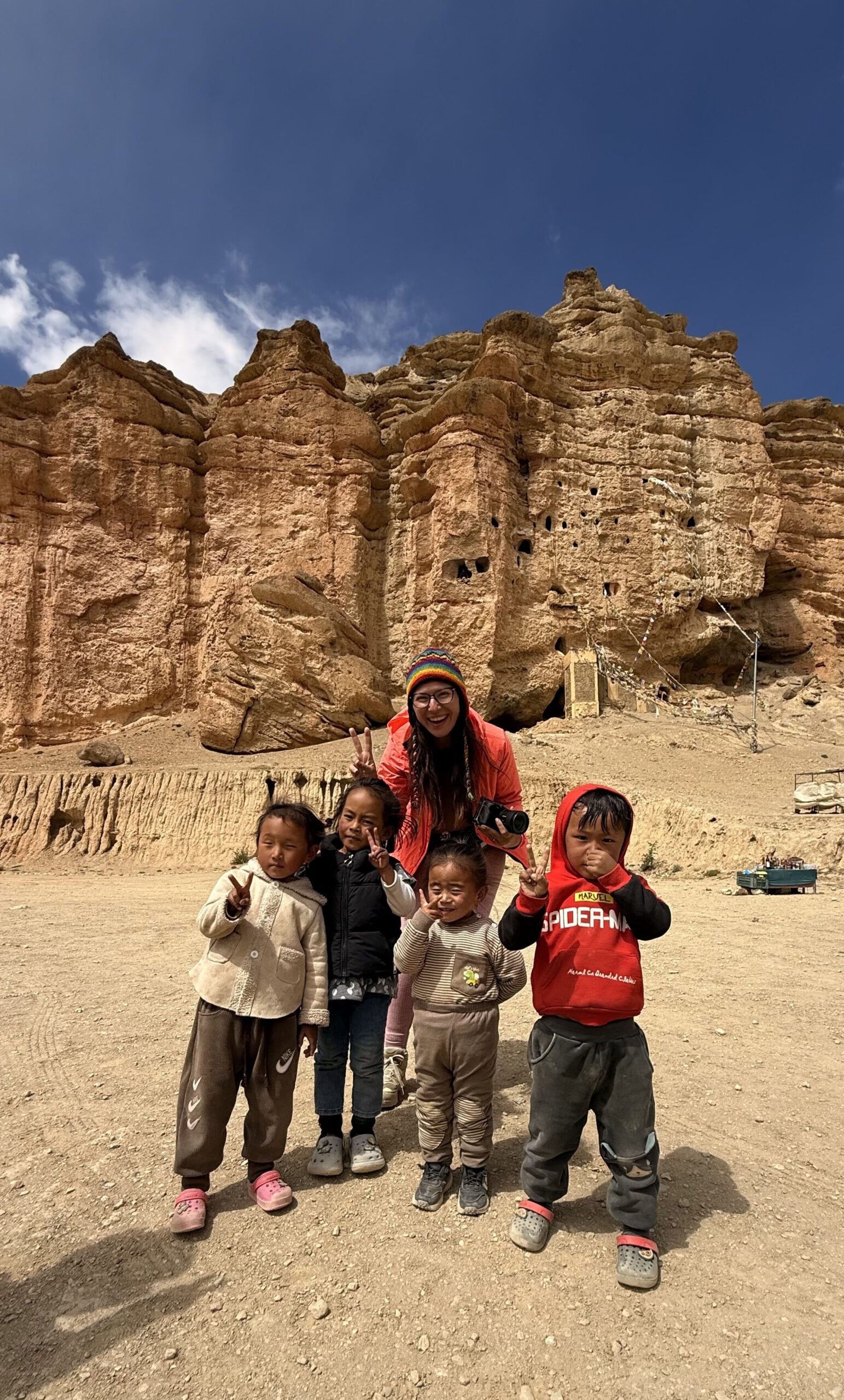
A short drive north of Lo Manthang, Chhoser is where Mustang gets even stranger. Caves are carved high into sheer cliffs — some used as homes, others as meditation retreats, burial chambers, or shelters from conflict. Seeing them from the road is one thing; standing beneath them and imagining how people climbed, lived, and prayed inside them is another.
Nearby you can visit an old gompa, hike toward the Guru Rinpoche statue near Vijra Mountain, and continue to Konchhokling Cave. Every turn reveals another cliff opening or distant ridge.
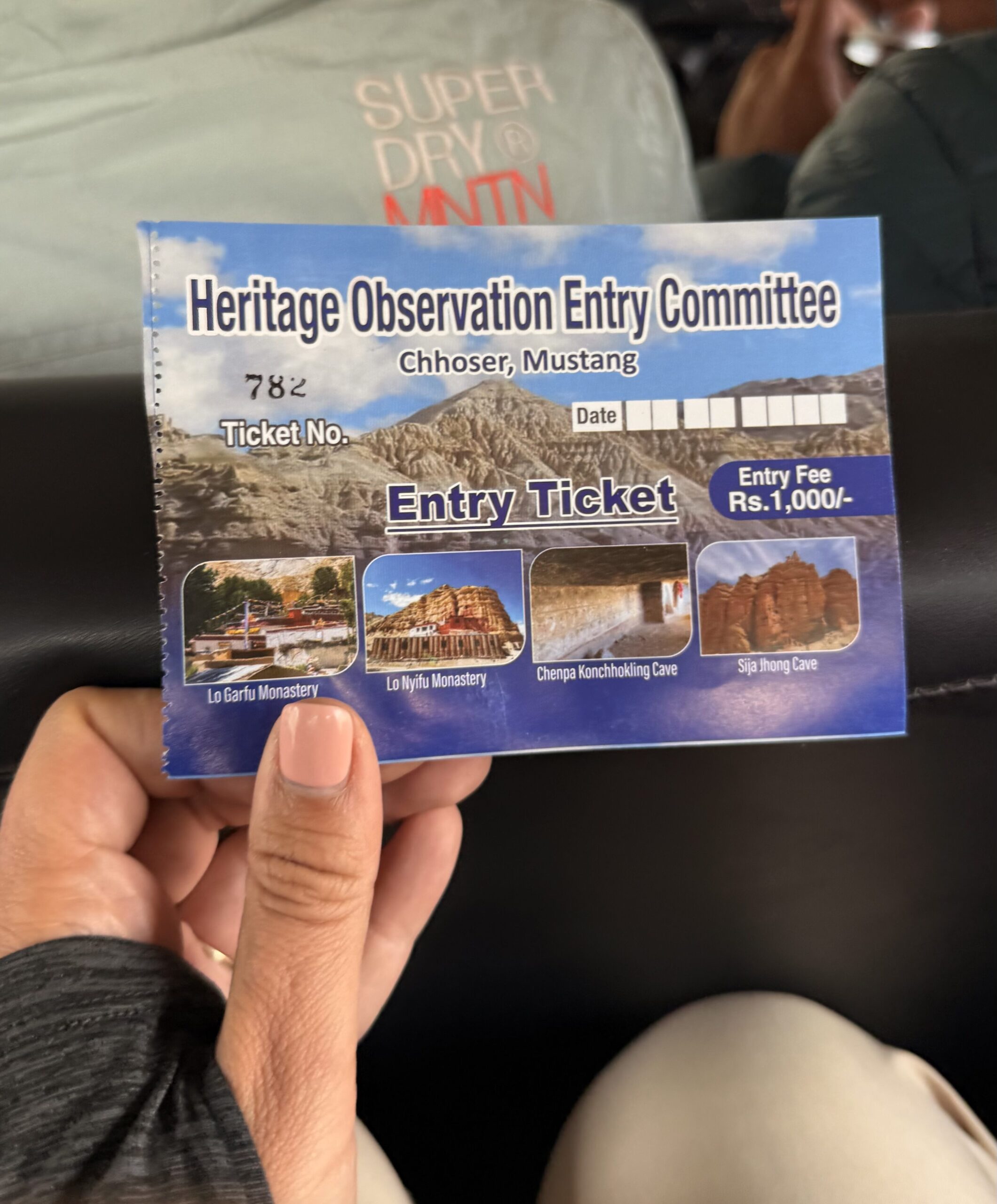
Bring cash. Even with your Upper Mustang permit, some caves and heritage sites charge additional local entry fees — around NPR 1,000 per person (about $7.50) paid to a local cave committee. It’s a small amount that supports community-managed preservation.
The Story of the Pillar Caves
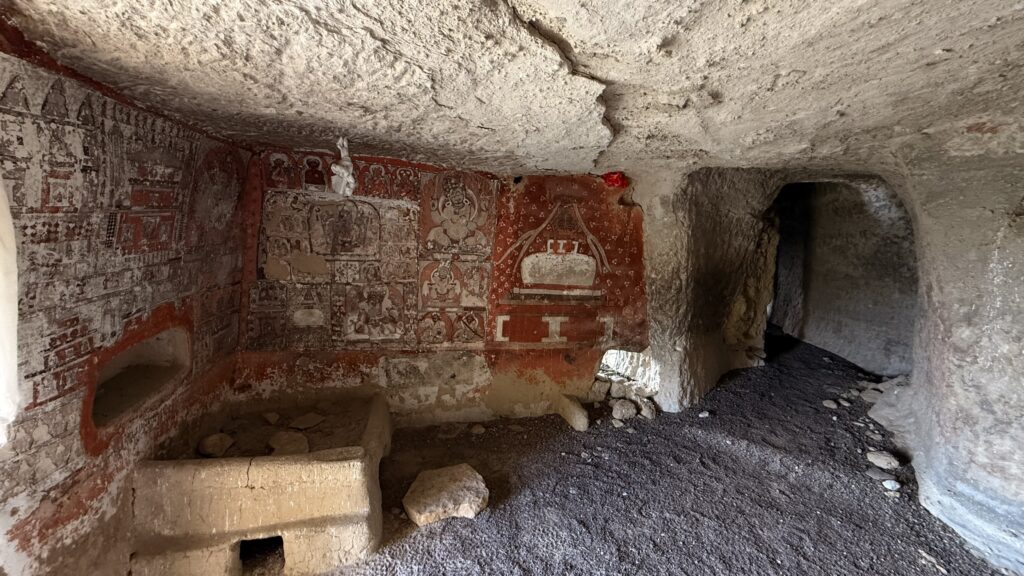
The best moments in Mustang come from local stories, not guidebooks. One cave-hotel owner told us about the four pillar caves near Jhong — built away from village life so monks could meditate in silence and pray for the protection of the people below. The cave that stayed with me, Rhijling Cave, looked impossible to reach before stairs were built. So even today nobody really knows how the monks used to climb up to the entrance. Local lore says monks with advanced spiritual powers climbed or crossed the cliffs in ways ordinary people could not.
Take these stories literally or symbolically, but either way they reveal something true about Mustang: meditation here was never a private escape. It was believed to protect and serve an entire community.
Muktinath: A Sacred Crossroads
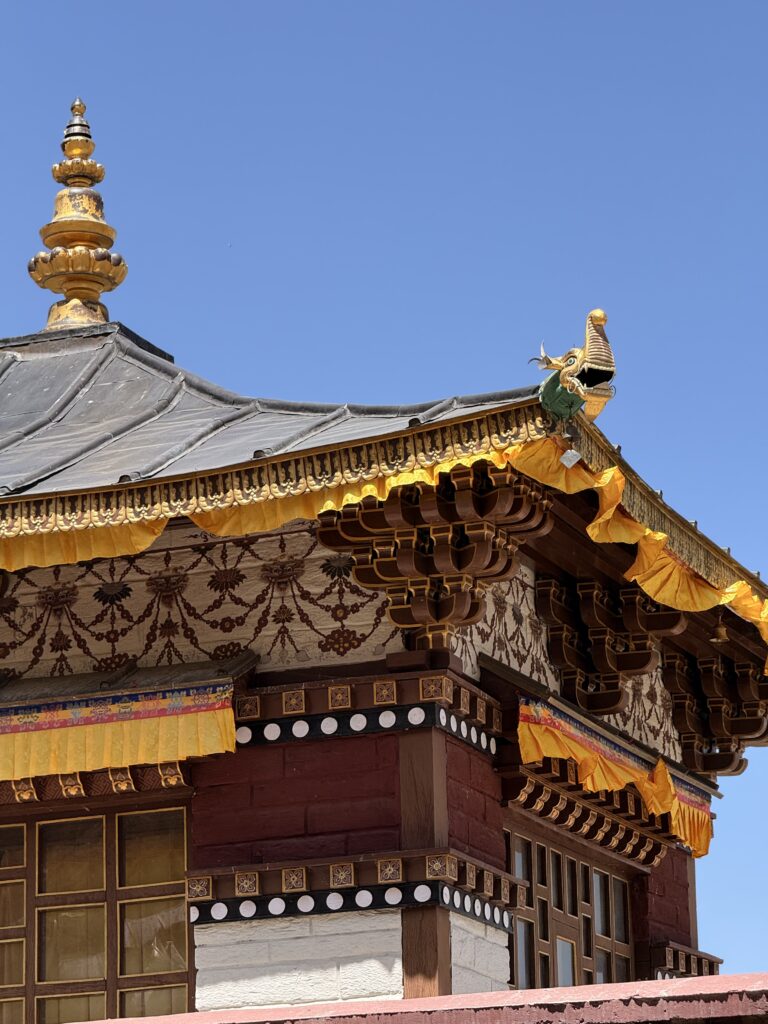
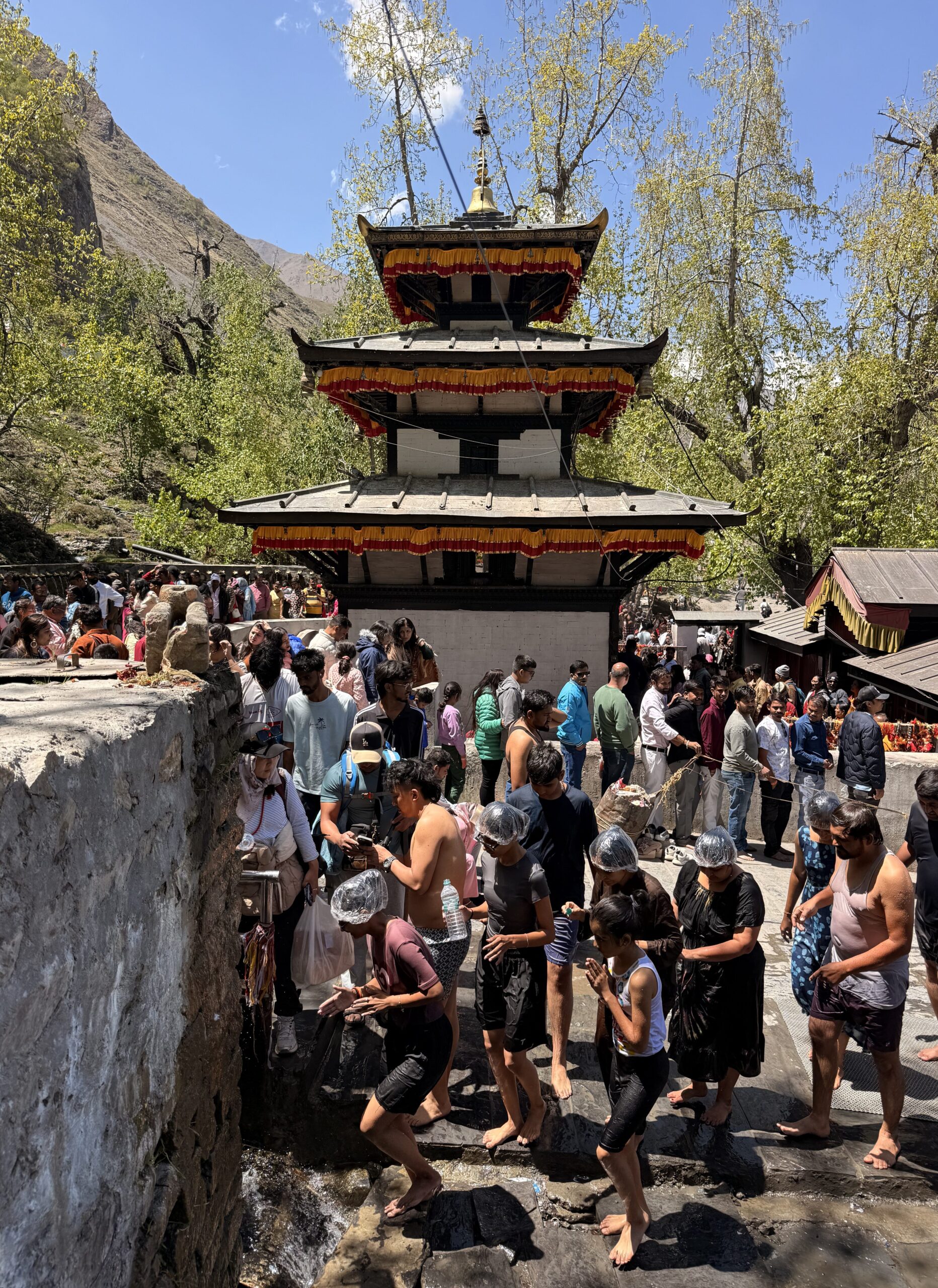
Muktinath is one of Nepal’s holiest sites, sacred to both Hindus (associated with Lord Vishnu and liberation) and Buddhists (connected to Avalokiteshvara, bodhisattva of compassion). The shared devotion is visible in the pilgrims who arrive from across India and the Himalayas.
The temple is famous for its 108 water spouts, where pilgrims take ritual baths in icy mountain water. Two members of our group ran through all 108 – it looked both freezing and exhilarating. I admired them from a safer distance.
Even without the ritual, Muktinath is worth it for the devotion in the air. It reminds you that Mustang isn’t just landscapes and adventure – it’s a sacred crossroads where faith has shaped travel for centuries.
What to Eat
The food is simple, warm, and deeply comforting after a long, dusty day. Don’t expect fine dining — expect small kitchens where everything is made by hand.
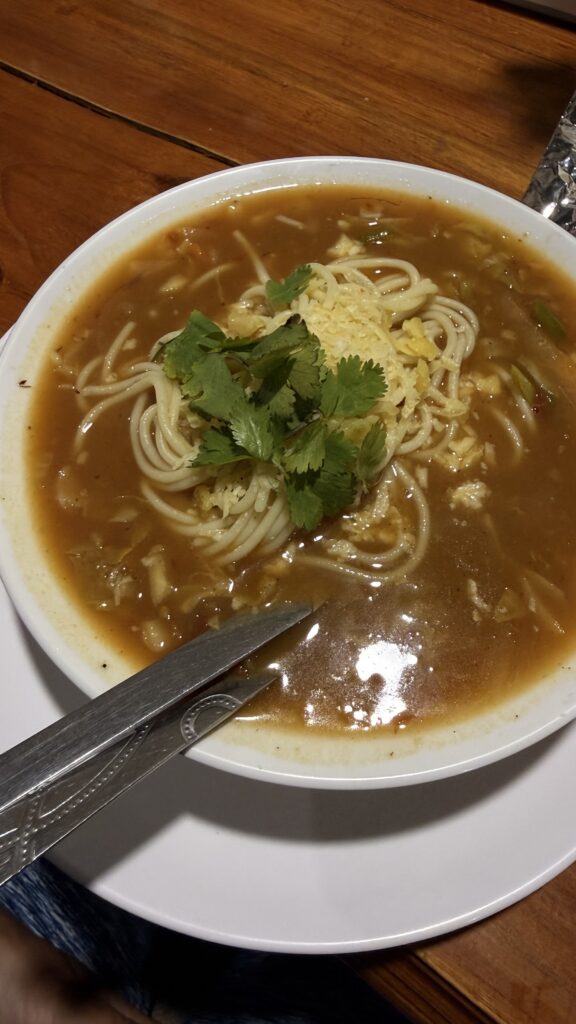
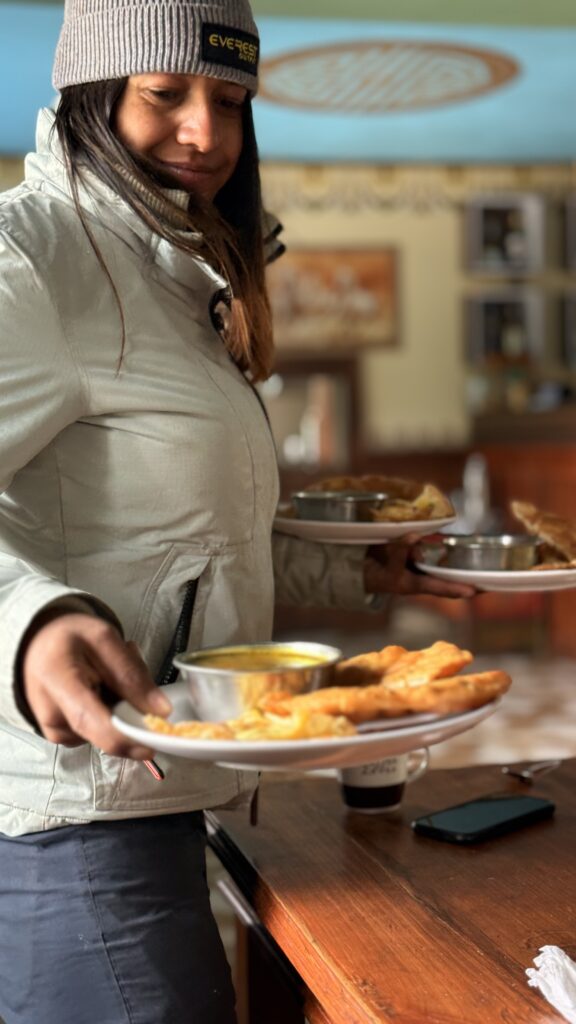
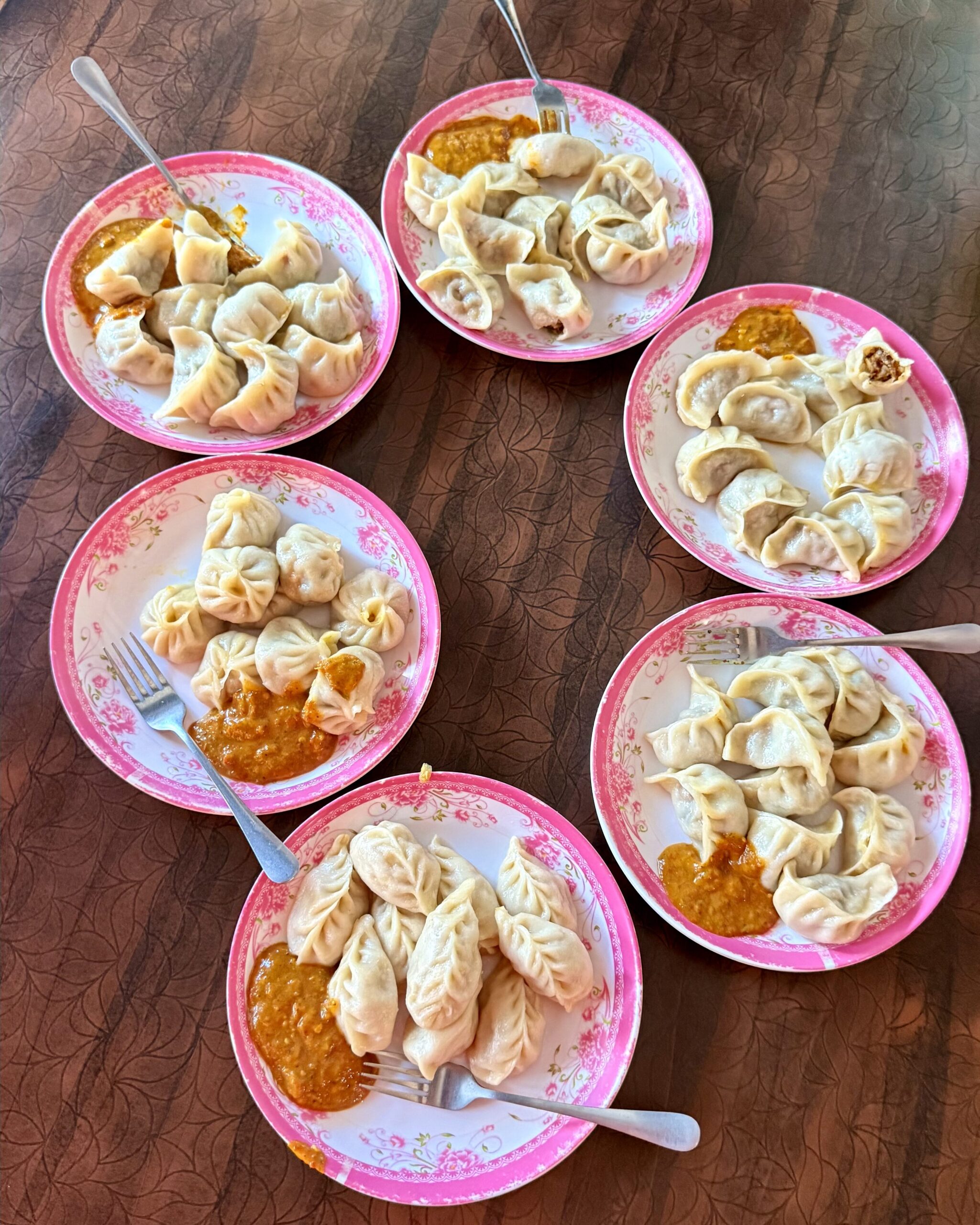
In Lo Manthang, we ate at Open Heart Restaurant, a family-run spot where the cook folded our momos in front of us. Watching each dumpling being made felt more personal than anything a big restaurant could serve. We also tried yak cheese at a local yak farm, ate Tibetan bread for breakfast, and warmed up with dal bhat and soup throughout the trip.
Make space for momos, thukpa, Tibetan bread, yak cheese, butter tea, buckwheat dishes, and apple everything around Marpha. The best meals in Mustang aren’t fancy, they’re made with care.
Jeep Tour or Trek?
You can explore Upper Mustang on foot, by motorbike, or by 4WD jeep. The right choice depends on time, fitness, and what you want.
| Consider | Jeep Tour | Full Trek |
|---|---|---|
| Duration | 7–10 days from Pokhara | ~14 days from KTM or Pkhara |
| Best for | Cultural immersion, short hikes, comfort | Slow travel, deeper village connection |
| Fitness needed | Low–moderate | Moderate–high |
| Trade-off | Less walking, more driving | More physical, more time |
We went by jeep and it was the right call: we covered serious distance but still stopped for short walks, monasteries, photos, and meals. The road isn’t always smooth, but the views make the ride worthwhile. For most travelers who want the culture without committing to a two-week trek, a jeep tour is the sweet spot. And if you’re feeling adventurous, hop on a motorbike.
Suggested 8-Day Jeep Itinerary
Day 1 — Pokhara to Marpha or Jomsom: Long drive north up the Kali Gandaki Valley. Stop in Marpha for stone lanes and apple products.
Day 2 — Marpha to Kagbeni & into Upper Mustang: Cross the gateway at Kagbeni. The landscape turns visibly drier, wider, more Tibetan.
Day 3 — Drive to Lo Manthang: One of the most scenic days — red cliffs, wind-carved formations, and long stretches of open desert.
Day 4 — Explore Lo Manthang: A full day inside the walls. Jampa Lhakhang, Thubchen, Namgyal, the Royal Palace area, chortens, and local homes.
Day 5 — Chhoser, Sky Caves & Guru Rinpoche sites: Cave landscape north of Lo Manthang, plus a hike to Konchhokling Cave.
Day 6 — Slow morning in Lo Manthang: Sunrise, a yak farm, yak cheese, and a schedule-free walk through the city.
Day 7 — Drive to Muktinath: South to the temple, 108 water spouts, and nearby pilgrimage sites.
Day 8 — Return to Pokhara: A long final drive as the desert shifts back into green hills.
Note: This is a fast, focused loop. Add 1–2 days if you want more breathing room, especially around Lo Manthang.
Permits & What They Cost (2026 Update)
Big news: as of late 2025, Nepal abolished the old flat $500-for-10-days permit. The new system is simpler and cheaper for shorter trips.
| Permit | 2026 Cost (foreign nationals) |
|---|---|
| Upper Mustang Restricted Area Permit (RAP) | $50 per person, per day – counted from Kagbeni northward |
| Annapurna Conservation Area Permit (ACAP) | NPR 3,000 (~$23–30) |
| TIMS Card | ~$20 |
| 10-day trip, permits only | ~$523–$550 per person |
Other key rule changes since March 2026:
- Solo trekking is now legal – the old two-trekker minimum has been dropped. You can go alone, but a licensed guide is still required.
- Permits are issued only through a registered Nepali trekking agency – you cannot apply directly at immigration.
- A licensed guide is mandatory. Beyond the rules, a good guide transforms the trip: the caves, monasteries, and legends carry far more meaning when someone explains them.
Realistic all-in budget: A fully guided 10-day jeep tour or trek, including permits, guide, Pokhara–Jomsom flights, lodging, and meals, runs about $1,800–$2,600 per person (two sharing). Solo travelers add 8–12%; groups of four drop to ~$1,600–$2,200 per head. Local cave and heritage fees (NPR 1,000 here and there) are extra – carry rupees.
Best Time to Go
| Season | Window | What you get |
|---|---|---|
| Spring | Late Apr–Jun | Warm days, clear peaks, and the Tiji Festival |
| Autumn | Sep–Nov | Stable weather, crisp air, best visibility |
| Monsoon | Jul–Aug | Drier than the rest of Nepal (rain shadow), but lower roads can still flood |
| Winter | Dec–Feb | Cold, many upper lodges closed, locals migrate downhill |
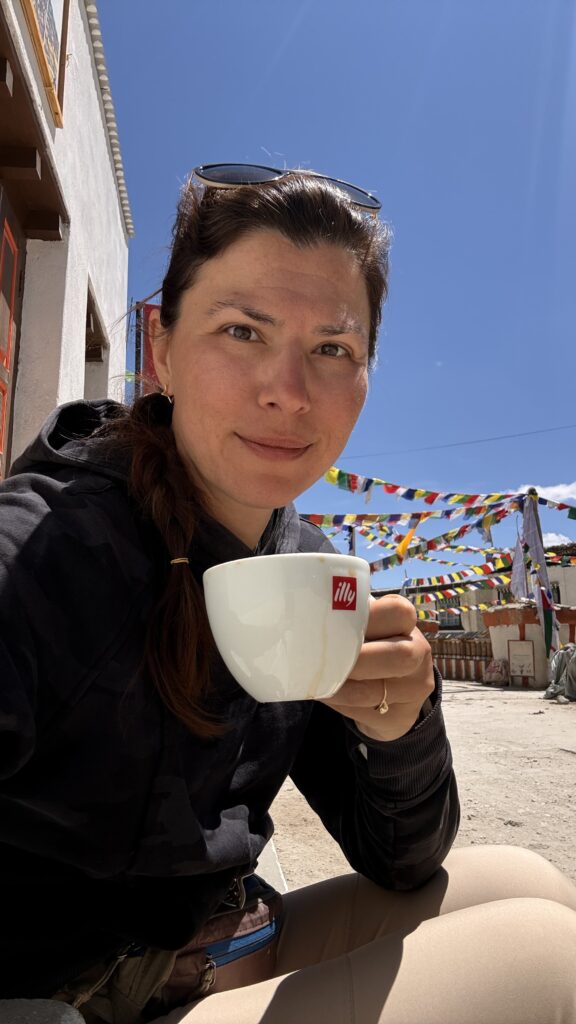
If you can, time it for the Tiji Festival, a three-day Buddhist celebration of masked dances, music, and ritual in Lo Manthang’s royal courtyard. It’s the region’s most important cultural event and the single best reason to go in spring. The 2026 dates are around May 13–16 (it follows the Tibetan lunar calendar, so dates shift each year — confirm with your agency). I went in June 2026, and we had perfect weather – warm, sunny days, positive temperatures during the night, but the wind makes it cold if the sun is not out.
What to Pack
- Dust protection: buff or scarf, sunglasses, sunscreen, lip balm
- Layers + a good jacket: sun is strong, but temperatures plummet once the light drops; wind is intense, especially afternoons
- Cash (Nepali rupees): small villages and heritage sites don’t take cards
- Reusable water bottle: water is scarce and waste management is hard
- Altitude mindset: Lo Manthang is ~3,840 m. Even in a jeep, ascend gradually, hydrate, skip alcohol early on, and tell your guide immediately about severe headache, nausea, confusion, chest pain, or shortness of breath
Responsible Travel
Upper Mustang is beautiful because it’s fragile. The dry environment recovers slowly from careless tourism, and water is scarce.
- Bring a reusable bottle; avoid single-use plastic; carry your trash when bins aren’t available.
- Support family-run lodges and restaurants.
- Ask before photographing people – especially elders, monks, and children.
- Dress modestly at monasteries, remove shoes when asked, and never touch murals, statues, or religious objects.
- Walk clockwise around chortens and mani walls.
The best travelers here aren’t the ones with the most dramatic photos, they’re the ones who arrive with patience, curiosity, and respect for the people who call this landscape home.
Is It Worth It?
Yes! Especially if you’ve already done Everest or Annapurna and want something genuinely different. Upper Mustang combines Himalayan landscapes, Tibetan Buddhist heritage, sacred sites, ancient architecture, and a feeling of remoteness that’s getting rare.
Go for the red cliffs and sky caves. Go for Lo Manthang and Muktinath. Go to see traditions that are still part of everyday life.
But go with humility. Upper Mustang isn’t a place to consume quickly. It’s a place to experience slowly, respectfully, and with an open heart.
FAQ
Where is Upper Mustang? Northern Nepal, Mustang District, near the Tibetan border. It sits within the Annapurna Conservation Area and is reached from Pokhara via Jomsom and Kagbeni.
Why is it famous? Tibetan-influenced culture, the walled city of Lo Manthang, ancient monasteries, sky caves, red-rock cliffs, desert landscapes, and sacred sites like Muktinath.
Is it difficult? Altitude, dry wind, rough roads, and long driving days are the main challenges. A jeep itinerary makes it accessible without a long trek.
Can you do it by jeep? Yes – a 4WD jeep tour is the most popular way for travelers who want the highlights with shorter walks and more comfortable lodging.
How many days? 7-10 days for a jeep tour from Pokhara; closer to two weeks for a full trek.
Is it crowded? Far less than Everest Base Camp, Annapurna Base Camp, or the Annapurna Circuit – though that’s slowly changing as access improves.
Do I need a permit? Yes – Upper Mustang is a restricted area. You need the RAP ($50/day), ACAP, and a licensed guide, all arranged through a registered Nepali trekking agency.
Do I need a guide? Yes – it’s mandatory, and a good one makes the caves, monasteries, and legends far more meaningful.
The agency I used and highly recommend is Footprint Adventure. Check their offers here – www.footprintadventure.com