Important Things to Know Before Traveling to Indonesia
There are a few important things to know before you fly to Indonesia and start exploring the world’s largest island nation. Indonesia is a vibrant democracy shaped by thousands of islands, hundreds of ethnic groups, and a variety of languages. This rich diversity blends seamlessly with its abundant natural beauty and cultural heritage — all united under one proud nation.
Time Zones in Indonesia
Because Indonesia stretches across such a vast area, it spans three time zones:
- Western Indonesia (GMT +7) – includes Sumatra, Java, Madura, and West & Central Kalimantan.
- Central Indonesia (GMT +8) – includes East & South Kalimantan, Sulawesi, Bali, and Nusa Tenggara.
- Eastern Indonesia (GMT +9) – includes Maluku and Irian Jaya (Papua).
The capital city Jakarta is located in the GMT +7 zone, which is 16 hours ahead of U.S. Pacific Standard Time.
Working Hours
In most places, the workday starts between 8:00 and 9:00 AM and ends around 4:00 to 5:00 PM. Lunch breaks are typically from 12:00 to 1:00 PM.
Government offices generally operate Monday through Friday from 8:00 AM to 5:00 PM.
Banking in Indonesia
Most banks are open Monday to Friday, from 8:00 AM to 4:00 PM. Some bank branches located inside hotels or shopping malls may offer extended hours and may even operate on Saturdays — so it’s worth checking ahead.
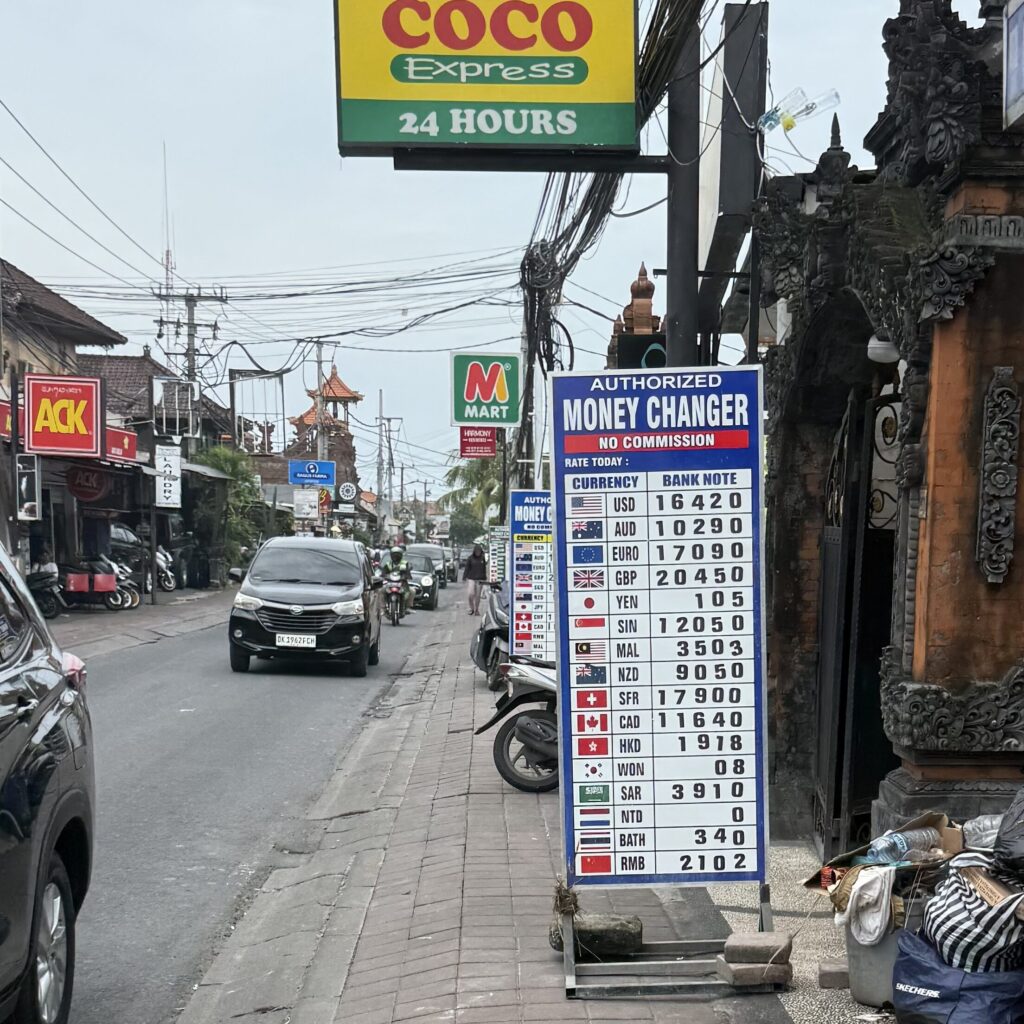
Jakarta has a wide range of international banks, and currency can be exchanged at banks, major hotels, or licensed money exchange offices.
Electricity and Connectivity
Indonesia uses 220 volts of electricity. If your devices are rated for 110 volts, make sure to bring a converter. The power plugs are two-round-pin types (Type C, E, and F).
Adapters are easy to find, but it’s best to pack one before your trip. Most hotels and many restaurants in big cities offer Wi-Fi or internet access, often complimentary.
Currency and Payments
The Indonesian Rupiah (IDR) is the official currency. Exchange rates fluctuate daily and can be checked online, in newspapers, or on bank websites.
Both Indonesian Rupiah (IDR) and U.S. Dollars (USD) are widely accepted in major tourist destinations. However, if you plan to visit remote areas, it’s wise to exchange your money in advance and carry enough cash.
Credit cards are accepted in most large hotels, restaurants, stores, and travel agencies, but smaller local spots often prefer cash.
Travel Tip
Bring an open mind and a spirit of curiosity — Indonesia’s magic lies not only in its landscapes but in the rhythm of its islands, the warmth of its people, and the harmony between nature and culture.
Cultural Etiquette & Local Customs
Indonesia is known for its warm hospitality and gentle manners. A few gestures go a long way:
- Dress modestly, especially when visiting temples or villages — shoulders and knees covered are appreciated.
- Remove your shoes before entering someone’s home or a sacred space, or the spa.
- Use your right hand for giving and receiving (the left hand is considered impolite).
- A smile is your best passport here — it’s a universal language in Indonesia!
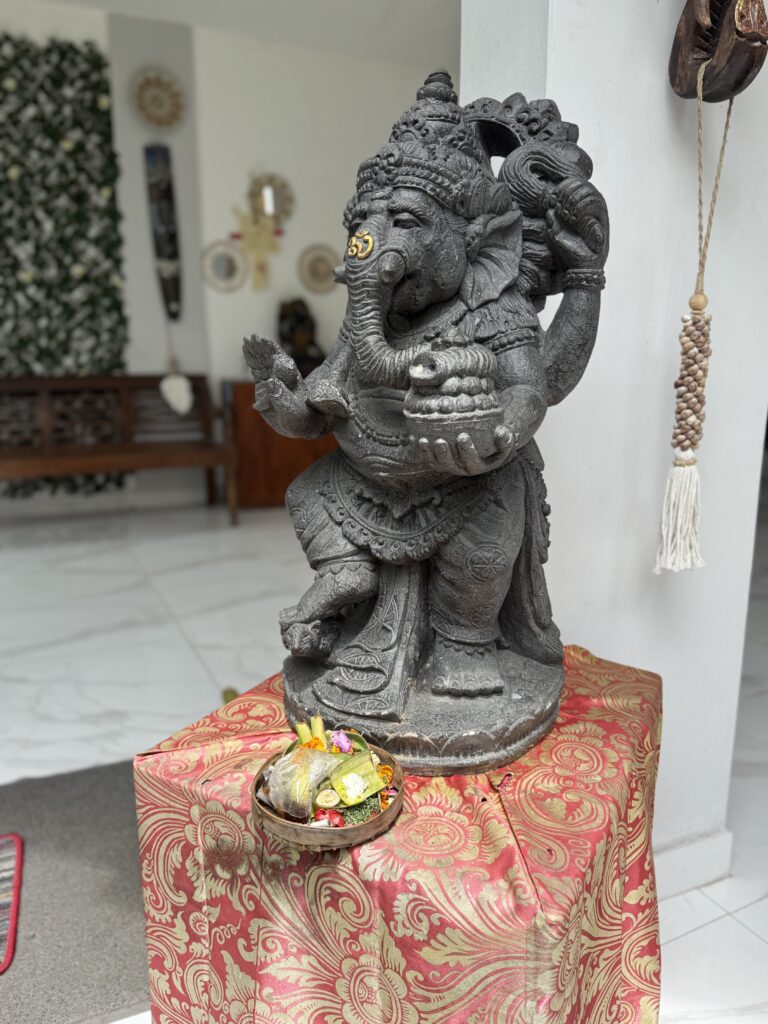
- In Bali, you’ll often see small daily offerings called canang sari — woven palm-leaf baskets filled with flowers, rice, and incense, placed on the ground or temple steps as a way to honor the gods. Be mindful and avoid stepping over or touching them, as they hold deep spiritual significance.
Food & Water Safety
Indonesian cuisine is flavorful, fresh, and often spicy. To stay healthy on the road:
- Eat freshly cooked meals from busy, reputable stalls or restaurants.
- Avoid tap water — drink bottled or filtered water only.
- Ice is generally safe in tourist areas, but best avoided in remote regions.
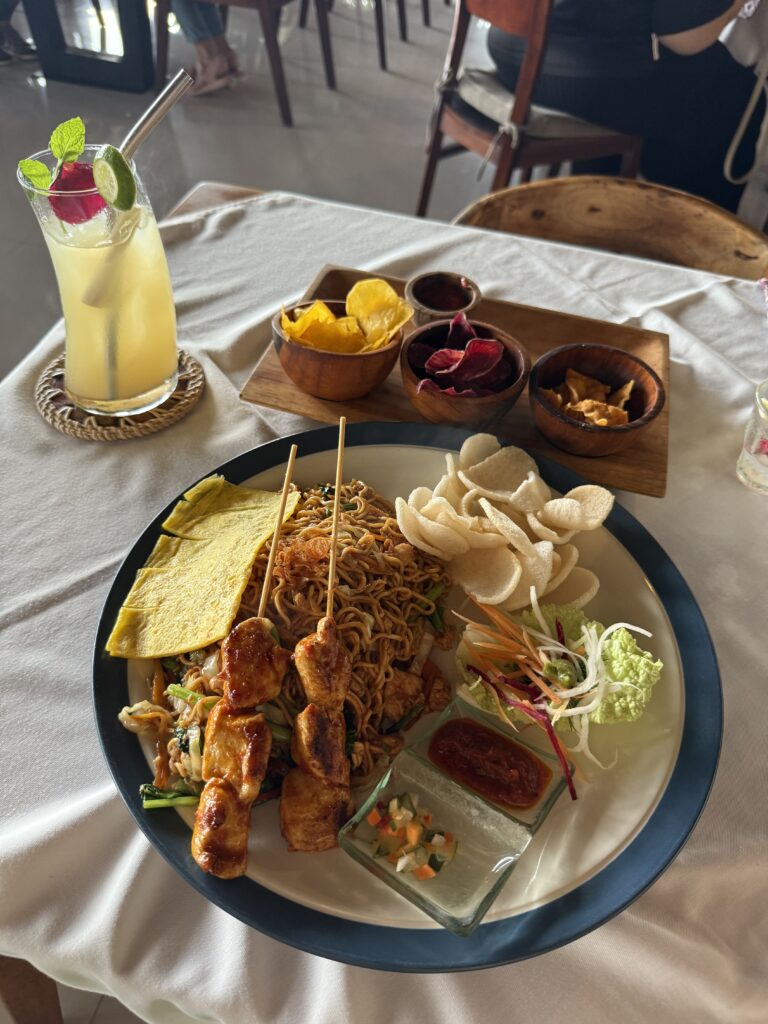
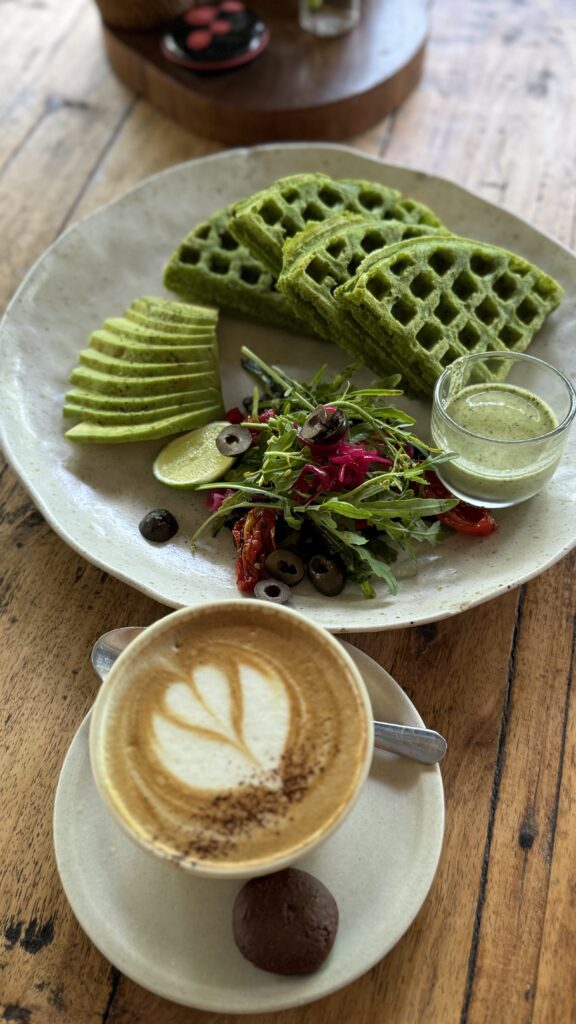
- Try local favorites like nasi goreng, satay, or gado-gado — and don’t skip a Balinese coffee!
Transportation & Getting Around
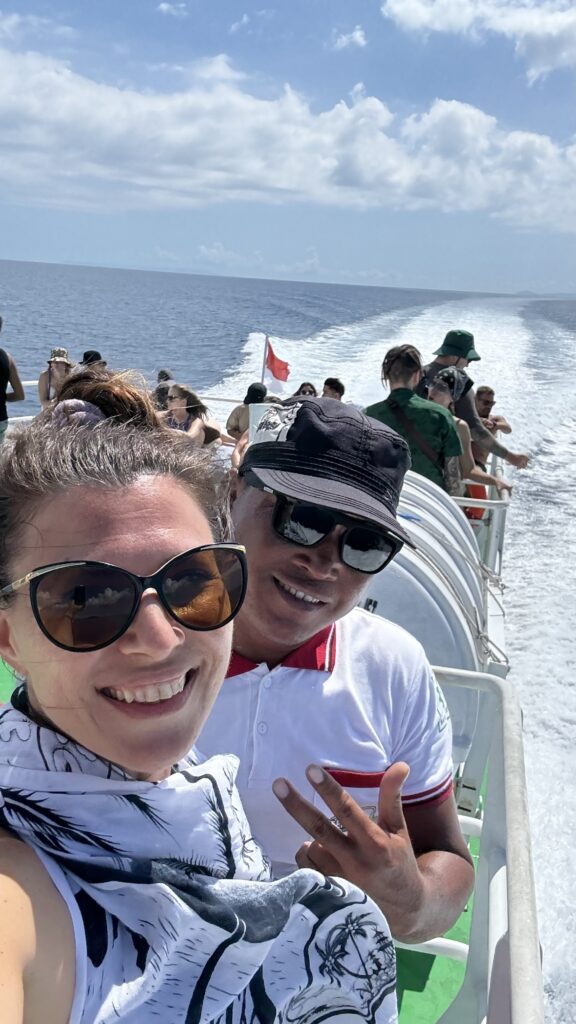
- Domestic flights are common for long distances; ferries connect many islands.
- In cities, apps like Grab or Gojek are safer and cheaper than hailing taxis.
- Traffic in Jakarta and Bali can be intense — plan extra time for travel.
- Always wear a helmet if you rent a scooter, and make sure your insurance covers motorbikes.
Health & Safety
- Bring mosquito repellent, especially if you’re visiting rural or jungle areas.
- Travel insurance is a must — medical care can be expensive for foreigners.
- Some regions (like Lombok or Komodo) may require domestic travel insurance or local fees.
- Carry a small first aid kit and a reusable water bottle to stay hydrated responsibly.
Nature & Respect for the Land
Indonesia’s landscapes are sacred to its people — from volcanoes to coral reefs.
- Always follow local guidance when hiking, diving, or visiting natural sites.
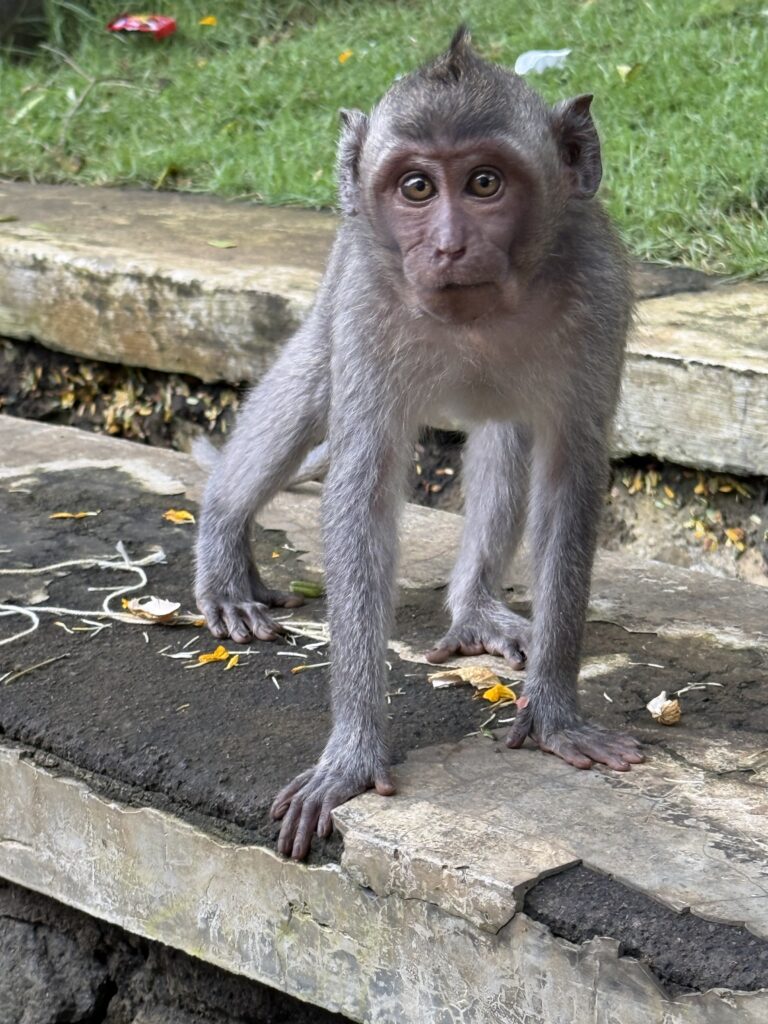
- Avoid touching coral or feeding wildlife.
- If visiting sacred sites like Mount Batur or Borobudur, speak softly and move mindfully.
- Support eco-conscious tours and local guides whenever possible — it enriches your experience and benefits the community.
Language & Communication
Bahasa Indonesia is the national language, and learning a few simple phrases shows respect:
- “Terima kasih” (thank you)
- “Selamat pagi” (good morning)
- “Apa kabar?” (how are you?)
- “Bagus!” (great!)
Many Indonesians in tourist areas speak English, but locals appreciate your effort to use their language.
Climate & Seasons
Indonesia is tropical — hot and humid year-round, with two main seasons:
- Dry season: May to October — best for beach trips, diving, and outdoor adventures.
- Rainy season: November to April — lush landscapes, fewer crowds, and great prices, but expect afternoon showers.
Mindful Travel Tip
Take a few moments each morning to simply listen — the rhythm of the ocean, the temple bells, the laughter of children. Indonesia rewards travelers who slow down and connect, not just with the scenery, but with the spirit of the place.