Who Made The JPEG The Standard For Photography
On Halloween, I walked into my old office at Ventures In Video – a place that feels like home after working for Mike between 2007 – 2014. It was at Ventures where I learned about media, editing, reporting, photography, videography, and management. We were small but mighty: dusty boxes stacked high, real reels of film, old tape players, cameras everywhere, and lots and lots of cables snaking through the room. It was in that space that I met some of the most inspiring people in my life. But today’s meeting would top them all.
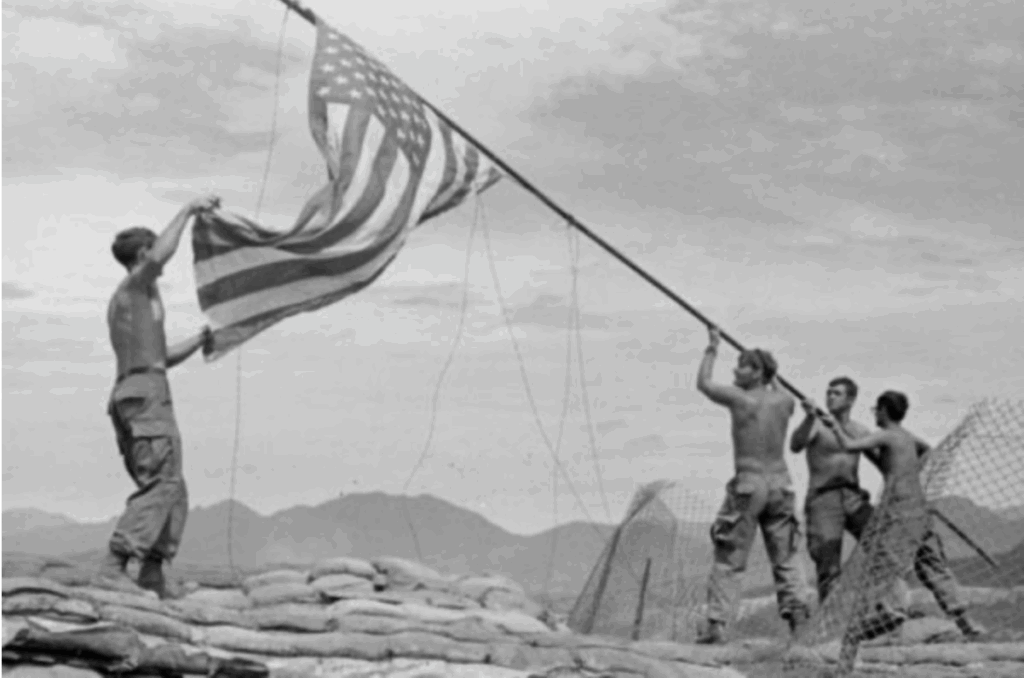
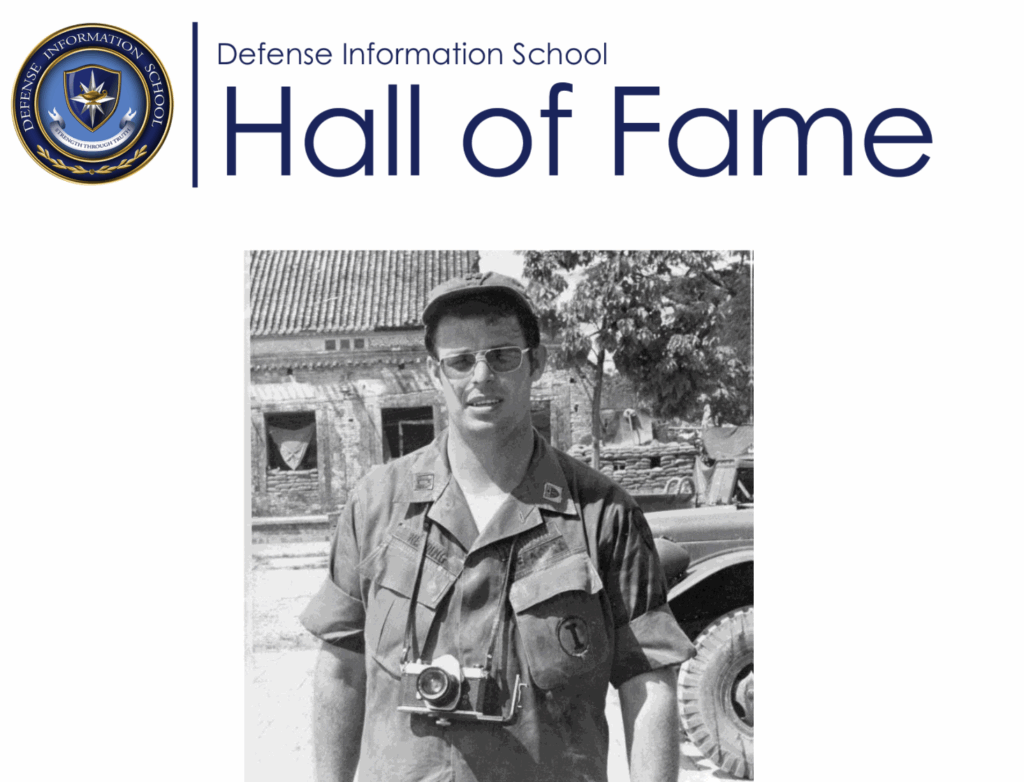
Into that familiar office walked LTC (Ret.) G. A. Redding. He carried with him a large, well-preserved book of media clippings: newspapers from around the world, photographs, press reports, etc., that he took to the Army museum. You could feel the weight of the history he carried. Redding had served in Vietnam as a Public Information Officer and Army combat photographer; in fact, during the final U.S. ground-force drawdown, he accompanied a CBS news crew during the extraction of the 3rd Battalion, 21st Infantry at Fire Base Hill 260 near Da Nang. It’s documented that when he stepped onto the Huey that afternoon, he was effectively the last U.S. soldier to leave a U.S. firebase in the Republic of Vietnam. (source)
As he turned the pages of the book, he told us about his subsequent assignments: after Vietnam he worked at the Defense Information School at Fort Benjamin Harrison (1974-78), then at the Office of the Secretary of Defense in the American Forces Information Service (1978-82 and 1985-90), and as Executive Officer of the U.S. Army Audiovisual Center at the Pentagon (1983-85). His career bridged combat zones and the evolution of media: from journaling and photography in war, to broadcast radio and television. Later his involvement in technology led us to the DVD era and industry standardization efforts for digital imagery (including JPEG). It felt astonishing that I was meeting someone who had touched so many pivotal moments in media history – from black-and-white film canisters in Vietnam to digital video and JPEG standards.
In that moment, the contrasts collided beautifully: me, the 21 y.o media-rookie in a small family shop, digitizing old tapes to DVD; Redding, the soldier-photographer who witnessed the end of one era of war-time media and helped carry it into the age of broadcast and digital standards. That little white house on Pennsylvania Avenue (the time capsule of Falls Church, VA) was the in-between place: old formats and new, analog reels to digital bits, the raw footage of war to the polished files of everyday media.
As I watched him walk through the narrow hallway of the office, past the boxes of old reels and tape players, I told Mike “Here I saw a walking legend today”. I thought of how far media has come, and how much of its story passes through people like him, and through places like Ventures In Video, where you can find and transfer almost every type of media there is.
It was a chance meeting, yes – on Halloween of all days – but one that felt deeply significant: that seriousness of purpose, that evolution of craft, that link from soldier to storyteller to digital pioneer. I had so many questions I wanted to ask, so we arranged a meeting for an interview. Below, you can read a couple of his answers, but the full interview is coming.
A sneak peek into the raw transcript of this interview
Q: Where did you grow up, and what early experiences or influences first sparked your curiosity about storytelling or technology?
A: "I'm a military brat. We moved a lot and I lived in Vietnam, Japan. I have lived in Alaska, Fort Meade, Maryland. I started in television when I was in high school. There was a junior achievement program that would teach kids a trade. And so they offered me a job in 1964. So I would go down to the NBC studio in Omaha in the morning, and I would cue the local newsman, and it was Tom Brokaw."
Q: Looking back now, decades later, what do you feel was the most important story or image you captured?
A: Well, the closure of the last firebase is historically significant. You know, with that, and then the counter to that was when I was in Sinai and we raised the Egyptian flag, returning the Sinai from Israel to Egypt. See, I recorded that as well. And there I have the end of war, and the beginning of peace.
Q: You were involved in the development of the DVD and standardization of the JPEG format – could you share what those early discussions or challenges were like in bringing these technologies to life?
A: Well, in the late 80s, it was very clear that analog video was on its way out. The digital video was coming. And since the U.S. military is the largest producer of imagery, period, and I was the chief of audiovisual policy for DoD and I had an obligation to make sure that the American military had a say so in what industry was going to do. Because we were doing surveillance work, you know, aerial photography, scanning the ocean floors and everything, like that, all that imagery. It took me three years to work that process because it was just so difficult. The major industry leaders in imagery, you know, were brought together by the National Institute of Technology, they brought them all together...
Redding also told us about the first time a government agency had to be shut down and how he got to do it. Read the full transcript here.

P.S. If you happen to come across a piece of old media in your attic while looking for your Christmas decorations, and you have no clue how to see what’s on it, chances are Ventures In Video Inc. can digitize and transfer it to your phone. See their Services here.