A Farewell To The Iconic Grand Canyon Lodge
I write this with a heavy heart.
The North Rim of the Grand Canyon, the quiet, less-traveled sibling to the bustling South Rim, has been ravaged by wildfire. What began as a 120-acre burn on July 10 has rapidly expanded to over 11,000 acres. Now considered a megafire, having burned over 140,000 acres, an iconic chapter of natural and human history is turning to ash.
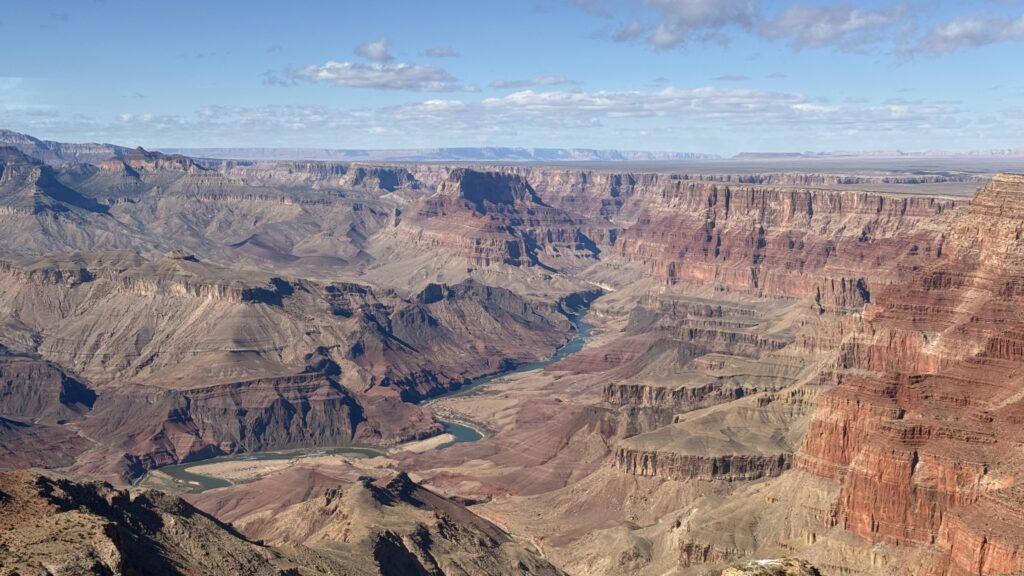
The Grand Canyon Lodge, a place that once stood proudly on the edge of eternity, now faces an uncertain fate. When I visited the North Rim back in 2007, standing beneath ancient ponderosa pines, listening to the hush of the canyon speak to something deep within me. Those trees… those roots… those winding trails have likely changed forever.
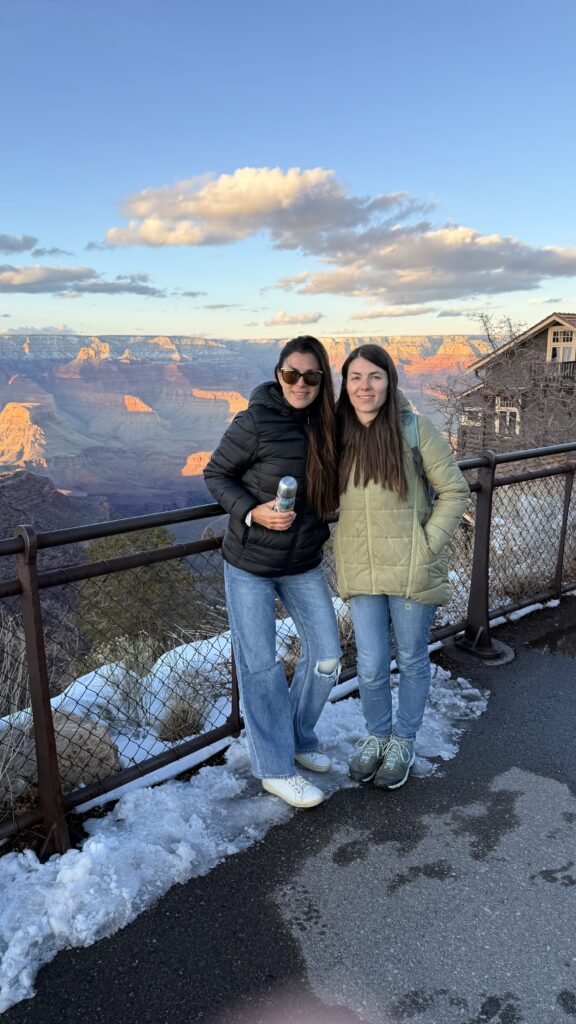
Just a few months ago, in March, I stood on the South Rim once more. The air was crisp, the colors surreal. I remember staring into that immense chasm carved by water and time, feeling the canyon’s quiet whisper in my bones. It’s a place where silence teaches. Where you can almost hear the Earth retelling its story in the layered walls of stone, each one older than the last.
Now, fire has come to remind us what water taught long ago: that nothing is permanent.
We humans often like to pretend we’re in control, but nature humbles us again and again. In the face of Fire and Water, we are merely visitors as momentary blinks in time. The North Rim’s loss is a painful reminder that everything is temporary. The views, the trees, even the structures we believe will stand forever – they can vanish in a single breath of wind or flame.
It’s hard not to mourn what’s been lost.
The wildlife, displaced or gone.
The ancient trees, some hundreds of years old, now turned to smoke.
The memories that thousands of visitors carried home, now tinged with grief.
But perhaps the canyon is still trying to teach us.
To let go.
To appreciate without clinging.
To love deeply, without needing to possess.
To see beauty, even in loss.
If you’ve ever wanted to stand on the rim of a canyon, or the edge of a glacier, or walk beneath ancient redwoods, don’t wait. The Earth is always changing. What you see today may not be there tomorrow. The urgency of living fully is not just about bucket lists; it’s about reverence. About listening to the wisdom of wild places while they are still here to speak.
Let this be a call to travel. Not to escape, but to connect… With nature, and with yourself.
To stand in awe.
To learn from the land.
To walk with humility and presence.
The Grand Canyon, like so many other sacred places, has always been more than a destination. It’s a reminder of time, impermanence, and the mystery that lives just beneath the surface of things.
To the North Rim: thank you for providing shelter, stillness, and splendor.
To those who knew it – hold your memories close.
And to those who never made it – may we all carry a deeper respect for what remains.
P.S. The North Rim will be closed for the remainder of 2025 season because of the damage from the Dragon Bravo wildfire. Ongoing field surveys are being conducted by vegetation biologists and forestry technicians.
With love and reverence,
Tania
South Rim POI (points of interest)
Scenic Viewpoints
- Mather Point – one of the most popular and easily accessible overlooks near the Visitor Center.
- Yavapai Point & Geology Museum – excellent for panoramic views and geology exhibits.
- Yaki Point – accessible by shuttle bus; great sunrise spot.
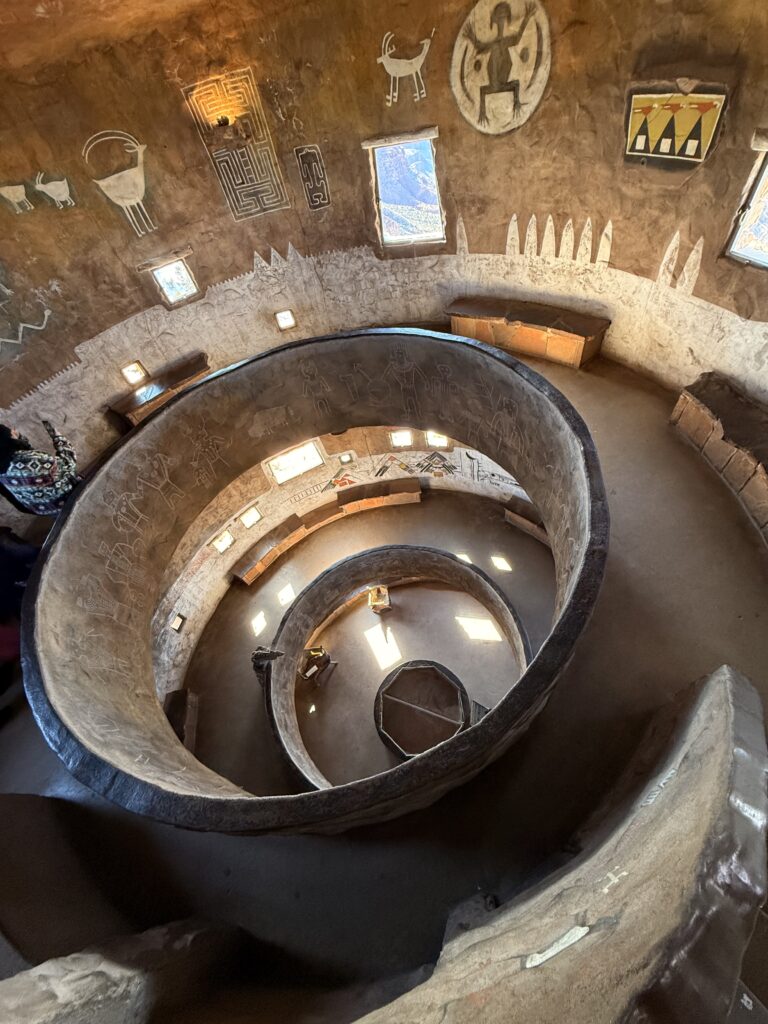
- Desert View / Desert View Watchtower – iconic stone tower designed by architect Mary Colter, with sweeping views of the canyon and the Colorado River.
- Hopi Point – famous for sunset views, wide vistas.
- Mohave Point – excellent overlook with dramatic canyon depth.
- Pima Point – broad views, often less crowded.
- Grandview Point – wide vistas and start of the strenuous Grandview Trail.
- Lipan Point – expansive views of the Colorado River.
- Navajo Point – near Desert View, another top viewpoint for sunrises and sunsets.
Trails & Outdoor Attractions
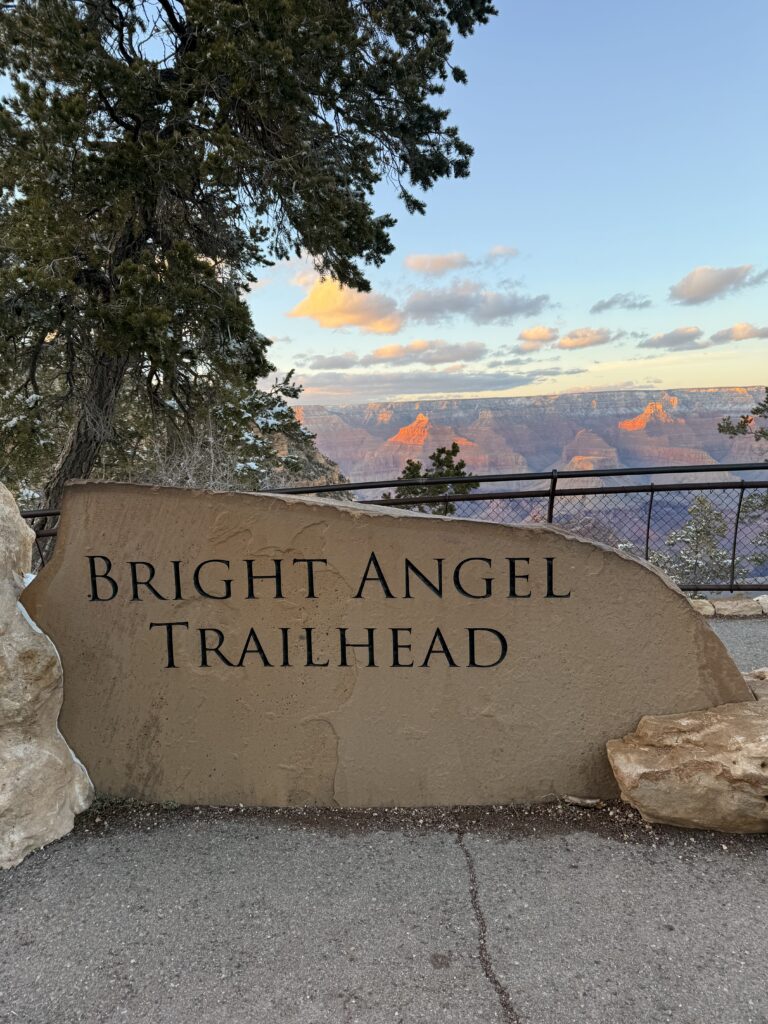
- Bright Angel Trail – most popular trail descending into the canyon.
- South Kaibab Trail – famous for “Ooh Aah Point,” Cedar Ridge, and panoramic views.
- Rim Trail – easy, mostly paved walking trail between viewpoints from Hermit’s Rest to South Kaibab.
- Hermit Trail & Hermit’s Rest – less crowded hike; historic rest stop designed by Mary Colter.
Historic & Cultural Sites
- Grand Canyon Village – the park’s hub with lodges, shops, and viewpoints.
- El Tovar Hotel – historic 1905 lodge with rustic elegance.
- Bright Angel Lodge – designed by Mary Colter, features history exhibits.
- Kolb Studio – photography studio and museum built by the Kolb brothers.
- Lookout Studio – historic stone building with dramatic canyon views.
- Tusayan Museum & Ruin – showcases ancestral Puebloan history.
Visitor Centers & Museums
- Grand Canyon Visitor Center (near Mather Point) – orientation film, maps, and exhibits.
- Yavapai Geology Museum – panoramic windows and geology displays.
- Kolb Studio Museum – historic exhibits and art gallery.
- Desert View Visitor Center – cultural exhibits and information.